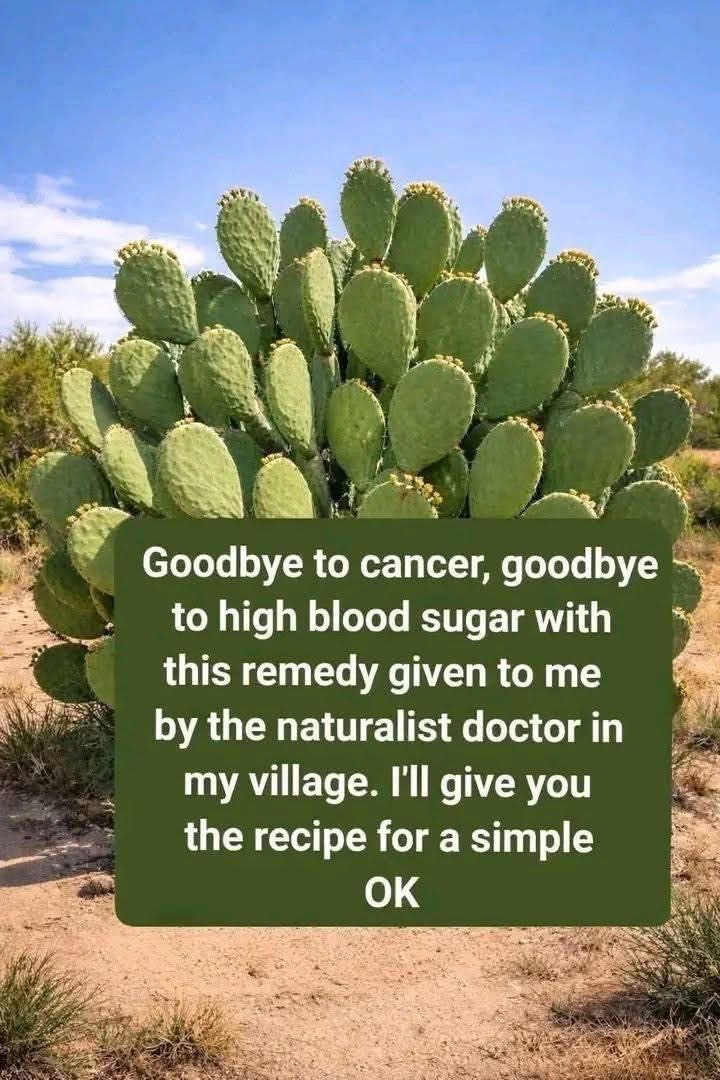
Here’s an in-depth look at the healing power of the prickly pear cactus (Opuntia ficus-indica and related species)—also known as nopal, barbary fig, or paddle cactus. This remarkable plant has been used for thousands of years in traditional medicine and is now backed by a growing body of modern scientific research.
- Botanical Overview
Aspect Detail
Family Cactaceae (cactus family)
Genus Opuntia (over 200 species)
Common names Prickly pear, nopal, barbary fig, cactus pear, tuna (fruit)
Edible parts Pads (nopales/nopalitos), fruit (tuna), flowers, seeds
Native range Mexico, Central America, Southwestern US
Cultivated Mediterranean, Middle East, North Africa, South Africa, Australia
The plant consists of:
· Cladodes (pads) – flattened, oval stems (eaten as vegetable)
· Glochids – tiny, barbed hairs (handle with care!)
· Fruit – pear-shaped, ranging from green to deep purple
· Seeds – small, hard, numerous inside fruit
- Phytochemistry – The Active Compounds
Prickly pear contains a remarkable diversity of bioactive compounds.
Major Components by Part
Compound Class Nopal (Pads) Fruit (Tuna) Seeds/Seed Oil
Polysaccharides Mucilage (5–10% dry weight) Pectin Minimal
Flavonoids Quercetin, kaempferol, isorhamnetin Same + anthocyanins Trace
Betalains Betaxanthins (yellow) Betacyanins (red-purple) None
Phenolic acids Ferulic, caffeic, p-coumaric Same Same
Vitamins C, E, K, B-complex C, E Vitamin E (tocopherols)
Minerals Calcium, magnesium, potassium, iron Potassium, magnesium Zinc, magnesium
Fatty acids Linoleic, linolenic (small amounts) Minimal Omega-6 (60–70%), omega-9 (20–30%)
Amino acids 17 types, including taurine Fewer Minimal
Unique Compounds
Compound Location Bioactivity
Betanin Fruit (purple varieties) Antioxidant, anti-inflammatory, chemopreventive
Indicaxanthin Fruit (yellow/orange) Antioxidant, neuroprotective
Mucilage Pads Soluble fiber (viscous), cholesterol-lowering, prebiotic
Isorhamnetin glycosides Pads & fruit Anti-inflammatory, cardioprotective
Opuntiol Pads Antimicrobial, anticancer (emerging research)
Key insight: The betalains (betanin and indicaxanthin) are the same pigments found in beets. They’re powerful antioxidants that also give red/purple prickly pear its vibrant color.
- Antioxidant Activity
Prickly pear has very high antioxidant capacity—comparable to blueberries and acai.
ORAC Values (Oxygen Radical Absorbance Capacity)
Component ORAC (µmol TE/100g fresh weight)
Purple prickly pear fruit ~21,000
Nopal pads (raw) ~8,000–12,000
Blueberry ~9,600
Acai berry ~15,000
Pomegranate ~10,000
Mechanisms of Action
· Direct radical scavenging: Betalains neutralize superoxide, hydroxyl, and peroxyl radicals.
· Metal chelation: Binds iron and copper, preventing Fenton reaction (oxidative damage).
· NRF2 activation: Upregulates endogenous antioxidant enzymes (glutathione, catalase, SOD).
· Lipid peroxidation inhibition: Protects cell membranes from oxidative damage.
Clinical correlate: Human studies show that eating 200–300g of prickly pear fruit increases plasma antioxidant capacity by 20–30% within 2 hours.
- Blood Sugar Regulation (Antidiabetic Effects)
This is one of the most studied and well-established healing properties of prickly pear, particularly the nopal pads.
Mechanisms
Mechanism Effect
Viscous fiber (mucilage) Slows gastric emptying → blunts post-meal glucose spike
Delayed carbohydrate absorption Inhibits alpha-glucosidase and alpha-amylase enzymes
Increased insulin sensitivity Improves glucose transporter (GLUT4) translocation
Pancreatic protection Reduces oxidative stress in beta cells
AMPK activation Enhances cellular glucose uptake (similar to metformin, weaker)
Human Clinical Evidence
Study Design Intervention Result
Type 2 diabetes (2004) Randomized crossover, 14 patients 500g grilled nopal pads before meal 30% reduction in post-meal glucose vs control
Metabolic syndrome (2014) RCT, 68 patients 300mg prickly pear extract/day × 6 weeks Fasting glucose ↓ 11%; HbA1c ↓ 0.8%
Healthy adults (2017) Crossover, 24 subjects 200g nopal with high-carb meal Peak glucose ↓ 23%; insulin response ↓ 18%
Prediabetes (2021) RCT, 50 patients 500mg extract twice daily × 3 months 40% of treatment group returned to normal glucose vs 10% placebo
Practical takeaway: Eating nopal pads before or with a carbohydrate-rich meal significantly blunts blood sugar spikes. This is especially useful for type 2 diabetes, prediabetes, and metabolic syndrome.
- Cholesterol & Cardiovascular Health
Prickly pear shows consistent lipid-lowering effects in both animal and human studies.
Lipid Effects
Parameter Change (typical human study)
Total cholesterol ↓ 10–20%
LDL cholesterol ↓ 15–25%
Triglycerides ↓ 15–30%
HDL cholesterol ↑ 5–10% (or unchanged)
Mechanisms
· Bile acid binding: Fiber (mucilage) binds bile acids, forcing liver to use cholesterol to make more.
· Cholesterol synthesis inhibition: Flavonoids (quercetin, isorhamnetin) inhibit HMG-CoA reductase (same target as statins, much weaker).
· Lipid absorption reduction: Delays absorption of dietary fat.
· Anti-inflammatory: Reduces vascular inflammation (CRP, IL-6).
Selected Human Trials
Study Population Intervention Result
Hypercholesterolemia (2007) 30 patients 100g nopal + 150g fruit × 14 days LDL ↓ 25%; triglycerides ↓ 30%
Metabolic syndrome (2015) 64 patients 400mg extract/day × 8 weeks Total cholesterol ↓ 15%; non-HDL ↓ 18%
Mild dyslipidemia (2019) 44 subjects 200ml prickly pear juice × 4 weeks LDL ↓ 17%; apoB ↓ 12%
- Anti-Inflammatory Effects
Prickly pear reduces systemic inflammation through multiple pathways.
Molecular Targets
Pathway Effect
NF-κB Suppresses activation → reduces TNF-α, IL-1β, IL-6, COX-2
iNOS Inhibits nitric oxide production
LOX Reduces leukotriene synthesis
NLRP3 inflammasome Downregulates this inflammatory complex
CRP Lowers C-reactive protein (clinical studies)
Clinical Applications Studied
· Metabolic inflammation: Reduces CRP, IL-6, TNF-α in metabolic syndrome.
· Arthritis (animal): Extracts reduced paw edema comparable to indomethacin.
· Alcohol-induced inflammation (human pilot): Prickly pear extract before alcohol reduced inflammatory markers and hangover severity (blocking bradykinin release).
- Gut Health & Digestive Benefits
Prebiotic Effects
The mucilage and pectin from prickly pear are soluble fibers that:
· Feed beneficial gut bacteria (Bifidobacterium, Lactobacillus)
· Increase short-chain fatty acids (butyrate, acetate, propionate)
· Reduce gut permeability (“leaky gut”)
Traditional Uses with Modern Support
Condition Traditional use Evidence
Diarrhea Anti-diarrheal (binding action) Moderate (animal studies support)
Constipation Bulk-forming laxative (fiber + water) Strong (mechanistic)
Gastric ulcers Protective against NSAID/alcohol-induced ulcers Strong (animal, some human)
IBD (Crohn’s, UC) Anti-inflammatory Emerging (animal only)
Hangover prevention Reduces inflammation, nausea Moderate (human trials exist)
Gastric Ulcer Protection
Animal studies show that prickly pear extract:
· Reduces ulcer index by 50–80% in ethanol-induced ulcers
· Increases gastric mucus production
· Maintains glutathione levels in gastric tissue
· Comparable to omeprazole in some models (but different mechanism)
- Liver Protection (Hepatoprotective)
Prickly pear extract has demonstrated protection against multiple forms of liver injury.
Liver insult Protective effect observed
Alcohol Reduced ALT, AST, GGT; reduced steatosis
Acetaminophen (paracetamol) Reduced oxidative stress and cell death (animal)
Carbon tetrachloride Reduced fibrosis markers
High-fat diet (NAFLD) Reduced liver fat, inflammation, and fibrosis
Chemotherapy (methotrexate) Reduced hepatotoxicity (animal)
Mechanisms: Antioxidant (reduces ROS), anti-inflammatory (reduces TNF-α, IL-6), antifibrotic (reduces TGF-β, collagen deposition), and enhanced glutathione regeneration.
- Wound Healing & Skin Health
Topical Applications
Use Evidence
Burns Accelerates healing in animal models (similar to silver sulfadiazine)
Diabetic ulcers Increased collagen deposition, faster closure (animal)
Surgical wounds Reduced inflammation, improved tensile strength (animal)
Acne Anti-inflammatory + antimicrobial (preliminary)
Mechanisms: The mucilage provides a moist wound environment; flavonoids and betalains reduce oxidative damage and inflammation; opuntiol has antimicrobial activity.
Oral Benefits for Skin
· UV protection (dietary): Reduced skin redness (erythema) after UV exposure in human trials (nopal extract, 2-week supplementation).
· Anti-aging: Polysaccharides increase skin hydration; antioxidants reduce photoaging.
· Acne: Anti-inflammatory and possible antimicrobial effects.
- Antimicrobial Activity
Pathogen Active compound Effect
S. aureus (including MRSA) Opuntiol, extracts Moderate inhibition (MIC 0.5–2 mg/mL)
E. coli Ethanol extracts Moderate
Candida albicans Opuntiol Moderate antifungal
H. pylori Methanol extracts Weak-moderate
Listeria Extracts Mild
Note: Antimicrobial activity is modest compared to pharmaceutical antibiotics or oregano oil. It’s best considered supportive, not a primary treatment.
- Weight Management
Mechanisms
· Appetite suppression: Viscous fiber expands in stomach → increased satiety (human studies show reduced hunger scores for 3–4 hours after nopal consumption).
· Reduced calorie absorption: Fiber delays and reduces fat/carbohydrate absorption.
· Increased fecal fat excretion: Some human studies show increased fat in stool.
Human Evidence
Study Population Intervention Weight result
Overweight adults (2014) 44 subjects 300mg extract × 12 weeks ↓ 3.2 kg vs placebo (no diet change)
Obese (2017) 52 patients 400mg extract + lifestyle × 8 weeks ↓ 4.7 kg vs ↓ 2.1 kg placebo (with diet)
Metabolic syndrome (2019) 64 patients 250g nopal/day × 6 weeks ↓ 2.8 kg; ↓ waist circumference 3.5 cm
Effect size is modest but significant—best used as part of a comprehensive weight management program.
- Hangover Prevention (Specific & Interesting)
Prickly pear extract has been studied for hangover reduction in several human trials.
Study Dose Effect
Wiese et al. (2004) 1600 IU extract before alcohol Reduced hangover severity (p<0.05); reduced C-reactive protein; reduced bradykinin
Pilot (2012) 300mg extract 30% reduction in hangover symptoms; 50% reduction in “feeling sick”
Mechanism: Reduces alcohol-induced inflammation (CRP, bradykinin) and oxidative stress. Does not reduce blood alcohol levels.
Practical use: Take extract before drinking alcohol. It doesn’t prevent intoxication—it reduces the next-day inflammatory response.
- Exercise Recovery & Athletic Performance
Benefit Evidence
Reduced muscle soreness (DOMS) Human trial: 300mg extract post-exercise → reduced soreness at 24, 48, 72h
Reduced oxidative stress from exercise Increased plasma antioxidant capacity post-workout
Improved endurance (animal) Delayed fatigue in rodent studies
- Toxicology & Safety
GRAS Status
· US FDA: Generally Recognized as Safe (GRAS) for nopal pads as food
· European Union: Approved as novel food for fruit and extracts
Adverse Effects (Mild, Uncommon)
Effect Frequency Notes
Diarrhea (from high fiber) Rare With excessive intake (>300g pad)
Bloating/gas Uncommon Due to fermentable fiber
Hypoglycemia Very rare Theoretical risk with diabetes meds
Allergic reaction Rare Cross-reactivity with latex reported
Drug Interactions (Theoretical, Limited Data)
Medication Interaction
Diabetes medications (insulin, metformin, sulfonylureas) Possible additive hypoglycemic effect—monitor blood sugar
Antihypertensives Possible additive effect (mild blood pressure reduction)
Statins Mild additive cholesterol-lowering (likely safe)
Warfarin Unstudied—probably minimal
Pregnancy/Lactation: Safe as food. Therapeutic extracts: insufficient safety data—avoid high-dose supplementation.
- How to Use Prickly Pear
Nopal (Pads)
Preparation (removing glochids):
- Hold pad with tongs or thick gloves.
- Scrape off spines and glochids with a knife.
- Peel or score the edges (where most glochids hide).
- Rinse thoroughly.
Culinary uses:
· Grilled, sautéed, or boiled (like green beans)
· Added to eggs, salads, salsas, tacos
· Pickled nopalitos (jarred, ready to use)
Dosage (therapeutic, from studies):
· Fresh nopal: 200–500g (about 1–2 cups) before or with meals
· Powdered extract: 300–500mg twice daily
· Juice: 200–300ml daily
Prickly Pear Fruit (Tuna)
Preparation:
- Slice off both ends.
- Make a lengthwise slit through the skin.
- Peel skin away from the flesh (like a mango).
- Eat flesh (contains hard seeds—swallow or spit).
Culinary uses:
· Fresh, chilled
· Juiced (strain seeds)
· Jams, jellies, sorbets
· Cocktails, smoothies
Dosage:
· Fresh fruit: 1–2 fruits daily
· Juice: 200–300ml
Supplements (Standardized extracts)
Form Typical dose Look for
Capsules (nopal powder) 500–1000mg twice daily Organic, whole-pad
Fruit extract (betalain-rich) 300–500mg daily Purple variety
Seed oil (topical) Apply as needed Cold-pressed, organic
- Summary of Evidence by Claim
Claim Evidence Level Strength
Lowers blood sugar (post-meal) Strong (multiple human RCTs) ⭐⭐⭐⭐⭐
Lowers LDL cholesterol Strong (human trials) ⭐⭐⭐⭐⭐
Reduces triglycerides Strong ⭐⭐⭐⭐
Antioxidant Strong (mechanistic + human) ⭐⭐⭐⭐⭐
Anti-inflammatory Moderate-Strong (human + mechanistic) ⭐⭐⭐⭐
Hepatoprotective (alcohol, NAFLD) Moderate (animal + pilot human) ⭐⭐⭐
Gastric ulcer protection Moderate (mostly animal) ⭐⭐⭐
Weight management (mild) Moderate (human trials) ⭐⭐⭐
Hangover prevention Moderate (human trials) ⭐⭐⭐
Wound healing (topical) Low-Moderate (animal only) ⭐⭐
Antimicrobial (systemic) Low (in vitro only) ⭐
Anticancer (human) Very low (preclinical only) ⭐
- Important Caveats & Realistic Expectations
- It’s not a magic bullet. Prickly pear is a powerful adjunct to healthy lifestyle—not a replacement for medication or diet.
- Species and variety matter. Red/purple fruit has different compounds (betalains, anthocyanins) than green/yellow. Nopal pads have more fiber and less antioxidant pigment.
- Processing affects bioactivity. Heat degrades betalains (color fades, antioxidant capacity drops). Fresh or minimally processed is best.
- Most evidence is short-term (weeks to months). Long-term safety and efficacy beyond 6 months is not well-studied.
- Individual response varies. Some people see dramatic glucose reduction; others see minimal effect. Try and measure (e.g., post-meal glucose) if using therapeutically.
- Traditional vs. Modern Medicine
Traditional use Modern validation
Diabetes management Confirmed (post-meal glucose reduction)
Cholesterol lowering Confirmed
Digestive aid Partially confirmed (fiber effects well-established)
Liver protection Supporting evidence (animal/human pilot)
Wound healing Supporting evidence (topical, animal)
Antimicrobial Weak (in vitro only, not strong enough for clinical use)
Cancer treatment None (preliminary lab studies only)
References for Further Reading
- El-Mostafa, K., et al. (2014). Prickly pear (Opuntia ficus-indica): Nutritional value, bioactive compounds, and health benefits. Molecules, 19(9), 14879-14901.
- Feugang, J. M., et al. (2006). Nutritional and medicinal use of Cactus pear (Opuntia spp.) cladodes and fruits. Frontiers in Bioscience, 11, 2574-2589.
- Wiese, J., et al. (2004). Prickly pear extract reduces symptoms of hangover. Archives of Internal Medicine, 164(12), 1334-1340.
- Onakpoya, I. J., et al. (2015). The effect of cactus pear (Opuntia ficus-indica) on body weight: A systematic review. Journal of Dietary Supplements, 12(3), 332-341.
- Madrigal-Santillán, E., et al. (2014). Review of the pharmacological properties of Opuntia ficus-indica. Asian Pacific Journal of Tropical Medicine, 7S1, S9-S15.
Final Takeaway
The prickly pear cactus is a genuinely therapeutic plant with strong evidence for blood sugar and cholesterol management, solid evidence for antioxidant and anti-inflammatory effects, and promising (though less established) benefits for liver health, digestion, and hangover reduction.
It’s not a pharmaceutical drug, and it shouldn’t be treated as one. But as a functional food or supplement—especially for metabolic health—it’s one of the more impressive medicinal plants with modern scientific backing. And unlike many “superfoods” with only marketing hype, prickly pear delivers measurable biological effects that have been replicated in human trials.
Best uses: Post-meal glucose control, cholesterol management, and antioxidant support. Bonus: It makes a delicious purple juice or grilled vegetable side dish.