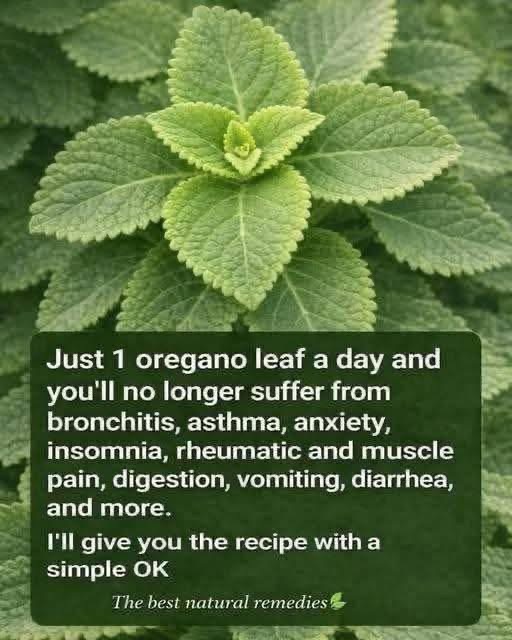
Here’s a scientific look at oregano (Origanum vulgare)—covering its chemistry, pharmacology, biological activity, and evidence-based uses. This goes beyond the spice rack to explore why oregano has been valued for millennia.
- Taxonomy & Botany
Aspect Detail
Family Lamiaceae (mint family)
Genus Origanum
Species O. vulgare (common oregano), O. majorana (sweet marjoram), O. onites (pot marjoram)
Common name confusion True oregano ≠ marjoram (though closely related). Mexican oregano (Lippia graveolens) is a different family (Verbenaceae) with convergent chemistry.
Key botanical traits:
· Perennial herb native to Europe, Mediterranean, and Central Asia.
· Leaves contain glandular trichomes (peltate and capitate) where essential oil is synthesized and stored.
· Over 60 species exist, with chemical composition varying dramatically by chemotype.
- Phytochemistry – The Active Compounds
Oregano’s biological activity comes primarily from its essential oil (0.15–0.5% fresh weight, up to 5% dried). Over 50 compounds have been identified.
Major Components (by % of essential oil)
Compound Class Typical % Key Property
Carvacrol Monoterpenoid phenol 30–80% Antimicrobial, anti-inflammatory
Thymol Monoterpenoid phenol 5–40% Antimicrobial, antiseptic (isomer of carvacrol)
γ-Terpinene Monoterpene hydrocarbon 10–30% Precursor to carvacrol/thymol
p-Cymene Monoterpene hydrocarbon 5–20% Antimicrobial, precursor
Rosmarinic acid Phenolic acid Variable Antioxidant, anti-inflammatory
Linalool Monoterpenoid alcohol 0–5% Sedative, antimicrobial
β-Caryophyllene Sesquiterpene 1–5% CB2 receptor agonist (cannabinoid-like)
Chemotypes (Chemical Races)
Oregano exists in distinct chemotypes based on dominant compound:
· Carvacrol type – strongest antimicrobial
· Thymol type – stronger antiseptic (similar to thyme)
· Linalool type – floral aroma, milder action
· Terpinene type – precursor-rich, less phenol
Key insight: The “oregano” sold as a spice varies widely. Mediterranean oregano is carvacrol-dominant. Mexican oregano has different phenolics (flavones, not carvacrol).
- Antimicrobial Activity – The Science
This is oregano’s most studied property. Carvacrol and thymol are phenolic compounds that disrupt bacterial cell membranes.
Mechanisms of Action
Mechanism Description
Membrane disruption Phenolic OH group binds to membrane phospholipids, increasing permeability and causing ion leakage
Proton gradient collapse Disrupts ATP synthesis
Morphological changes Surface blebbing, loss of flagella, cell lysis (observed via electron microscopy)
Inhibition of efflux pumps Carvacrol can resensitize resistant bacteria
Biofilm disruption Prevents and eradicates established biofilms
Pathogens Susceptible to Oregano Oil (In Vitro Studies)
Pathogen MIC (carvacrol) Clinical Relevance
E. coli 0.2–0.8 mg/mL UTI, foodborne illness
S. aureus (including MRSA) 0.1–0.5 mg/mL Skin infections, sepsis
Listeria monocytogenes 0.05–0.2 mg/mL Food poisoning
Salmonella spp. 0.1–0.6 mg/mL Gastroenteritis
Candida albicans 0.1–0.4 mg/mL Yeast infections
Helicobacter pylori 8–64 µg/mL Gastric ulcers, cancer risk
Pseudomonas aeruginosa 0.5–1.5 mg/mL Hospital-acquired infections
Synergistic Effects
Oregano oil works synergistically with conventional antibiotics:
· Carvacrol + ciprofloxacin → 4x reduction in MIC for S. aureus
· Oregano oil + amphotericin B → enhanced antifungal activity
· Reduces required dose of some antibiotics (potential for resistance mitigation)
- Antioxidant Properties
Oregano has exceptionally high antioxidant capacity.
ORAC Values (Oxygen Radical Absorbance Capacity)
Substance ORAC (µmol TE/100g)
Oregano (dried) ~175,000
Rosemary ~165,000
Turmeric ~127,000
Blueberry ~9,600
Vitamin C reference ~2,000
Major antioxidants:
· Rosmarinic acid – scavenges superoxide and hydroxyl radicals
· Carvacrol – protects LDL from oxidation
· Flavonoids (apigenin, luteolin, quercetin)
Mechanisms:
· Lipid peroxidation inhibition (IC50 as low as 5 µg/mL)
· Metal chelation (Fe²⁺, Cu²⁺)
· Upregulation of endogenous antioxidants (Nrf2 pathway activation, increasing glutathione and superoxide dismutase)
- Anti-Inflammatory & Immunomodulatory Effects
Carvacrol and rosmarinic acid suppress inflammation through multiple pathways.
Molecular Targets
Pathway Effect
COX-2 Inhibition (similar to NSAIDs, but milder)
NF-κB Suppresses activation, reducing TNF-α, IL-1β, IL-6
iNOS Downregulates nitric oxide production
LOX Inhibits 5-lipoxygenase (leukotriene synthesis)
In vivo studies:
· Carvacrol (25 mg/kg) reduced paw edema by 50–70% in rat models (comparable to indomethacin).
· Oregano extract reduced colitis severity in mice via NF-κB suppression.
- Anticancer Potential (Emerging Research)
In vitro and animal studies only – no human trials yet.
Cancer Type Active Compound Observed Effect
Colon (HCT-116) Carvacrol Apoptosis via caspase-3 activation
Breast (MCF-7) Carvacrol, thymol Cell cycle arrest (G0/G1 phase)
Lung (A549) Oregano extract Reduced migration, increased ROS
Liver (HepG2) Rosmarinic acid Anti-proliferative (IC50 ~ 50 µM)
Proposed mechanisms:
· ROS-mediated apoptosis
· Inhibition of matrix metalloproteinases (MMPs) – reduces metastasis potential
· Epigenetic modulation (histone deacetylase inhibition)
- Gastrointestinal & Metabolic Effects
Gut Health
· Antiparasitic: Effective against Giardia lamblia and Blastocystis hominis.
· Anti-ulcer: Protects gastric mucosa in ethanol-induced ulcer models (via prostaglandin modulation and mucus preservation).
· IBD support: Reduces inflammation in colitis models (both chemical and genetic).
Metabolic Syndrome
Parameter Observed Effect (Animal/Human Pilot)
Blood glucose Reduced fasting glucose (c. 15–20% in diabetic rats)
Insulin sensitivity Improved HOMA-IR
Lipids Lowered LDL, triglycerides; increased HDL
Body weight Slight reduction in high-fat diet models
NAFLD Reduced liver fat and inflammation
Mechanism: Carvacrol activates AMPK (energy sensor) and PPAR-γ, similar to metformin and TZDs but weaker.
- Toxicology & Safety
Acute Toxicity
Route LD50 (carvacrol)
Oral (rat) 810 mg/kg
Dermal (rabbit) >5,000 mg/kg
Clinical Safety
· Generally Recognized as Safe (GRAS) by FDA for culinary use.
· Essential oil: Therapeutic internal dose 1–2 drops (diluted) – highly concentrated.
· Adverse effects: Undiluted oil causes mucosal burns, skin irritation.
Condition Precaution
Pregnancy Insufficient safety data – avoid therapeutic doses
Iron absorption Phenolics can chelate iron; separate from meals
Bleeding disorders Possible weak anticoagulation (case reports only)
Surgery Discontinue 2 weeks prior (theoretical risk)
Maximum safe intake (estimated):
· Dried herb: 3–4 g/day as spice is safe.
· Essential oil: No more than 3 drops/day internally for adults.
- Human Clinical Trials (Selected)
Condition Study Design Intervention Result
SIBO (small intestinal bacterial overgrowth) Pilot, 30 patients Enteric-coated oregano oil 200 mg (c. 55% carvacrol) 3x daily × 6 weeks 65% symptomatic improvement (comparable to rifaximin in historical controls)
Upper respiratory infection Randomized, 40 subjects Oregano oil lozenges vs. placebo Shorter symptom duration (1.8 vs. 3.5 days)
Tinea pedis (athlete’s foot) RCT, 60 patients Oregano oil 50% in jojoba oil vs. tolnaftate 1% 70% improvement; non-inferior to antifungal
Ulcerative colitis (mild-moderate) RCT, 50 patients 600 mg oregano extract/day × 8 weeks Reduced disease activity index (p=0.03) vs placebo
Inflammatory acne Split-face, 20 patients Oregano oil 5% gel + 2% salicylic acid Significant lesion reduction (p<0.01)
- Practical Applications – Evidence-Based
Food Preservation
· Meat products: 0.1–0.5% oregano oil reduces Listeria, Salmonella, and lipid oxidation (extends shelf life 30–50%).
· Active packaging: Oregano oil incorporated into biodegradable films (chitosan, PLA).
Agricultural Use
· Natural fungicide: Effective against Botrytis, Fusarium, Alternaria (used in organic farming).
· Essential oil fumigation: Extends post-harvest fruit shelf life.
Pharmaceutical Potential
Application Stage Evidence Strength
Topical antifungal Over-the-counter products available Moderate (RCTs exist)
SIBO treatment Clinical use (integrative medicine) Low-moderate (pilot data only)
Wound healing Preclinical Early
Antibiotic adjuvant Preclinical Early but promising
- Comparison with Other Culinary Herbs (Antimicrobial)
Herb Major Compound MIC vs S. aureus (approx)
Oregano Carvacrol 0.1–0.5 mg/mL
Thyme Thymol 0.1–0.5 mg/mL
Rosemary 1,8-Cineole 2–10 mg/mL (weaker)
Basil Linalool, estragole 1–5 mg/mL
Sage Thujone 2–8 mg/mL
Cinnamon Cinnamaldehyde 0.05–0.2 mg/mL (stronger than oregano)
Oregano and thyme are among the most potent culinary antimicrobials, but cinnamon and clove may be stronger for specific pathogens.
- Key Takeaways – Science Summary
Claim Evidence Level
Antibacterial (in vitro) Strong (hundreds of studies)
Antifungal (in vitro) Strong
Antioxidant Strong (high ORAC, mechanistic data)
Anti-inflammatory (animal) Moderate (good animal data)
Human clinical efficacy Low-moderate (small trials, mostly pilot)
Anticancer (human) Very low (only preclinical)
Safe as culinary herb High
Safe as essential oil (internal) Moderate – requires caution
- Common Misconceptions
Misconception Scientific Reality
“Oregano oil cures colds” May shorten duration slightly, but not a cure. Evidence limited.
“Stronger oil is better” Higher carvacrol % means more irritation risk. 60–80% is typical therapeutic range.
“All oregano is the same” Chemotype determines efficacy. Look for carvacrol-dominant for antimicrobial use.
“Can replace antibiotics” No. It’s a potential adjuvant, not a replacement for serious infections.
“Safe to take daily long-term” Unknown. No safety studies beyond 8–12 weeks.
References for Further Reading (Peer-Reviewed)
- Burt, S. (2004). Essential oils: their antibacterial properties and potential applications in foods. International Journal of Food Microbiology, 94(3), 223-253.
- Nostro, A., et al. (2007). Effects of oregano, carvacrol and thymol on Staphylococcus aureus and S. epidermidis biofilms. Journal of Medical Microbiology, 56(4), 519-523.
- Baser, K. H. C. (2008). Biological and pharmacological activities of carvacrol and carvacrol bearing essential oils. Current Pharmaceutical Design, 14(29), 3106-3119.
- Leyva-López, N., et al. (2017). Essential oils of oregano: Biological activity beyond their antimicrobial properties. Molecules, 22(6), 989.
- Singletary, K. (2010). Oregano: Overview of the literature on health benefits. Nutrition Today, 45(3), 129-138.
Oregano is a fascinating example of how a common kitchen spice has legitimate bioactive properties. While not a replacement for pharmaceuticals in serious illness, its antimicrobial, antioxidant, and anti-inflammatory effects are well-supported by mechanistic and preclinical research. For everyday use—as a flavorful spice or diluted essential oil—it’s a safe, accessible tool with genuine biological activity.