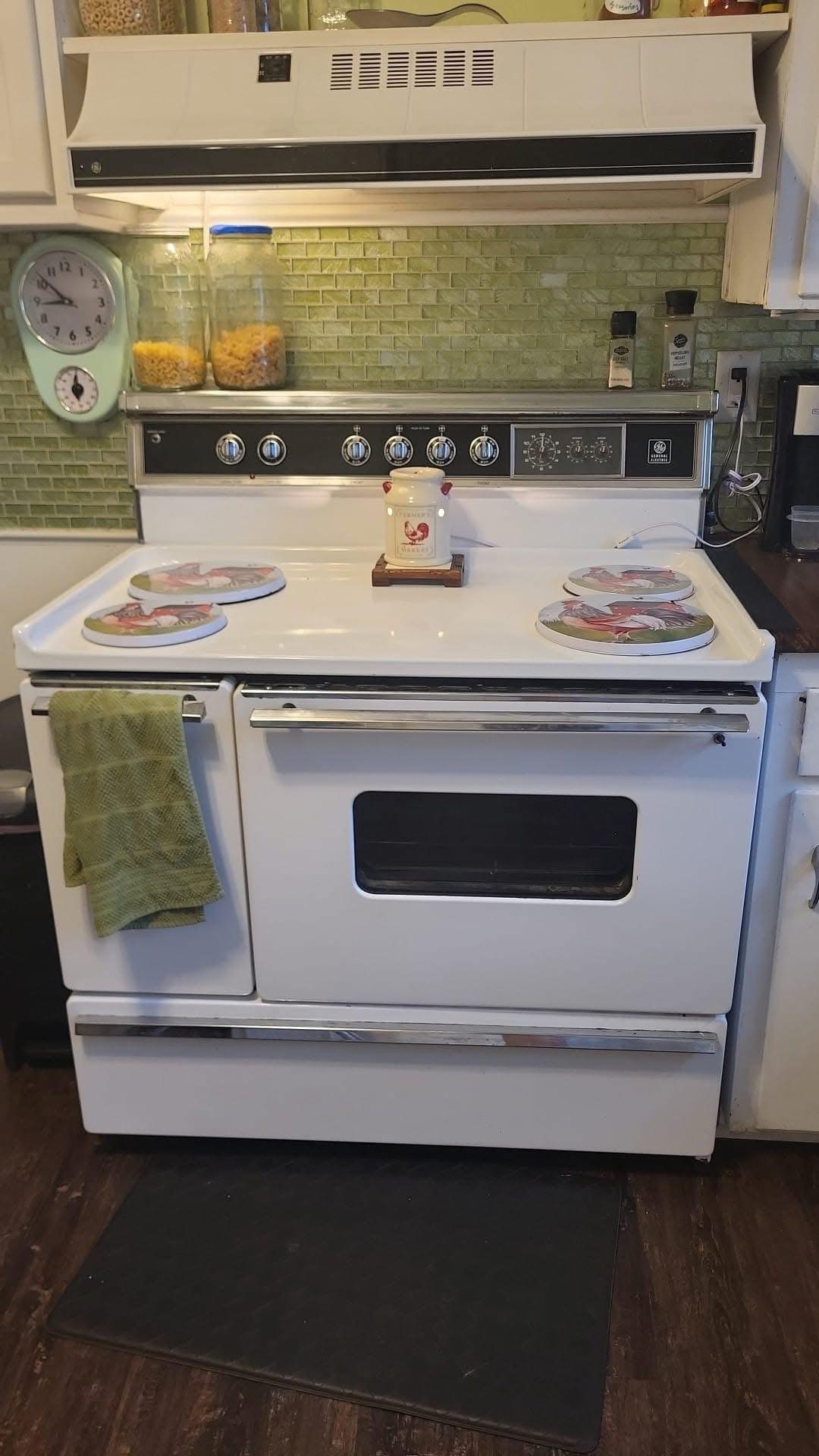
VINTAGE KITCHEN STOVES: THE ULTIMATE GUIDE TO CLASSIC COOKING APPLIANCES
Vintage kitchen appliances have made a comeback in recent years, not just for their durability but also for their undeniable charm. Among these, the vintage stove/oven stands out as one of the most iconic symbols of mid-century kitchens. From their sturdy build to their timeless design, these appliances remind us of a period when quality and style went hand in hand.
This article explores everything about vintage stoves: their history, design, practical uses, restoration process, and why they remain beloved in modern kitchens.
THE HISTORY OF VINTAGE STOVES
Kitchen stoves have evolved dramatically over the past century. Early stoves were wood or coal-fired, but by the 1940s and 1950s, gas and electric stoves became the standard in homes across America and Europe.
During the 1950s–1970s:
- Stoves were built with heavy-duty enamel finishes.
- Chrome handles and knobs were common.
- Control panels were placed at the back, with dials for temperature and timers.
- Bright colors like turquoise, avocado green, mustard yellow, and classic white defined the mid-century kitchen aesthetic.
These appliances were not only functional but also decorative, often serving as the centerpiece of the kitchen.
DESIGN FEATURES OF VINTAGE STOVES
Vintage stoves have unique design details that set them apart from modern appliances:
- Enamel Coating – Durable and easy to clean.
- Chrome Accents – Handles, trims, and control knobs for a shiny retro finish.
- Coil Burners or Gas Rings – Standard heating method of the era.
- Built-In Timer and Clock – A stylish feature, often mechanical.
- Double Ovens or Warming Drawers – Many vintage stoves offered extra cooking space.
- Heavy Construction – Unlike modern lightweight stoves, vintage units were built from thick steel.
BENEFITS OF USING A VINTAGE STOVE
- Durability – Many are still working after 50+ years.
- Timeless Aesthetic – Adds charm and character to any kitchen.
- Simplicity – No complicated digital controls; just dials and switches.
- Restorability – Parts can often be repaired or replaced.
- Conversation Piece – A vintage stove makes a kitchen stand out.
SPECIFICATIONS AND USAGE TABLE (EXAMPLE FOR A 1960S ELECTRIC STOVE)
| FEATURE | SPECIFICATION | BENEFIT |
| Power Source | Electric or Gas | Flexible options depending on the model |
| Burner Type | Coil or Open Gas Flame | Strong, reliable heat |
| Oven Size | 3–5 cubic feet | Large enough for family meals |
| Material | Enamel-coated Steel | Easy to clean and long-lasting |
| Controls | Rotary Dials, Timer, Clock | Simple and durable |
| Lifespan | 30–70 years (with care) | Built to outlast modern appliances |
HOW TO MAINTAIN A VINTAGE STOVE
- Regular Cleaning – Use gentle cleaners to protect enamel finish.
- Polish Chrome – Keeps handles and trims shiny.
- Check Wiring (Electric Models) – Replace old wires for safety.
- Inspect Gas Lines (Gas Models) – Ensure connections are safe and leak-free.
- Replace Gaskets and Knobs – Easy fixes that improve usability.
RESTORING A VINTAGE STOVE
Restoration is a rewarding process that can turn an old appliance into a kitchen showpiece.
Steps:
- Inspection – Check structure, wiring, gas lines, and rust.
- Deep Cleaning – Remove grease buildup, polish enamel, restore chrome.
- Replace Parts – Burners, heating elements, and thermostats can often be sourced online.
- Repaint or Re-enamel – Bring back the original shine.
- Test Functionality – Ensure burners and ovens heat properly.
Many enthusiasts seek out professional restoration services to achieve a factory-new look.
WHY VINTAGE STOVES ARE POPULAR TODAY
- Nostalgia – They remind people of childhood kitchens.
- Retro Style – Perfect for farmhouse, mid-century, and eclectic interiors.
- Sustainability – Restoring old appliances is eco-friendly compared to buying new.
- Durability – Often superior build quality compared to some modern appliances.
COMMON QUESTIONS ABOUT VINTAGE STOVES
Are vintage stoves safe to use?
Yes, when properly maintained. Old wiring or gas lines may need replacement.
Can vintage stoves be converted to modern standards?
Yes, many can be retrofitted with updated wiring or gas fittings.
Are parts still available?
Yes, many parts (knobs, burners, elements) are reproduced or found through collectors.
Are vintage stoves energy-efficient?
Not as efficient as modern appliances, but their durability offsets frequent replacements.
CONCLUSION
Vintage stoves are more than just cooking appliances — they are pieces of history that connect us to simpler times. With their sturdy build, timeless design, and charm, they remain highly sought after by homeowners, collectors, and kitchen enthusiasts.
Restoring and using a vintage stove not only provides a functional cooking appliance but also adds unique personality to your kitchen. Whether you love the retro aesthetic or appreciate long-lasting craftsmanship, a vintage stove is an investment worth making.