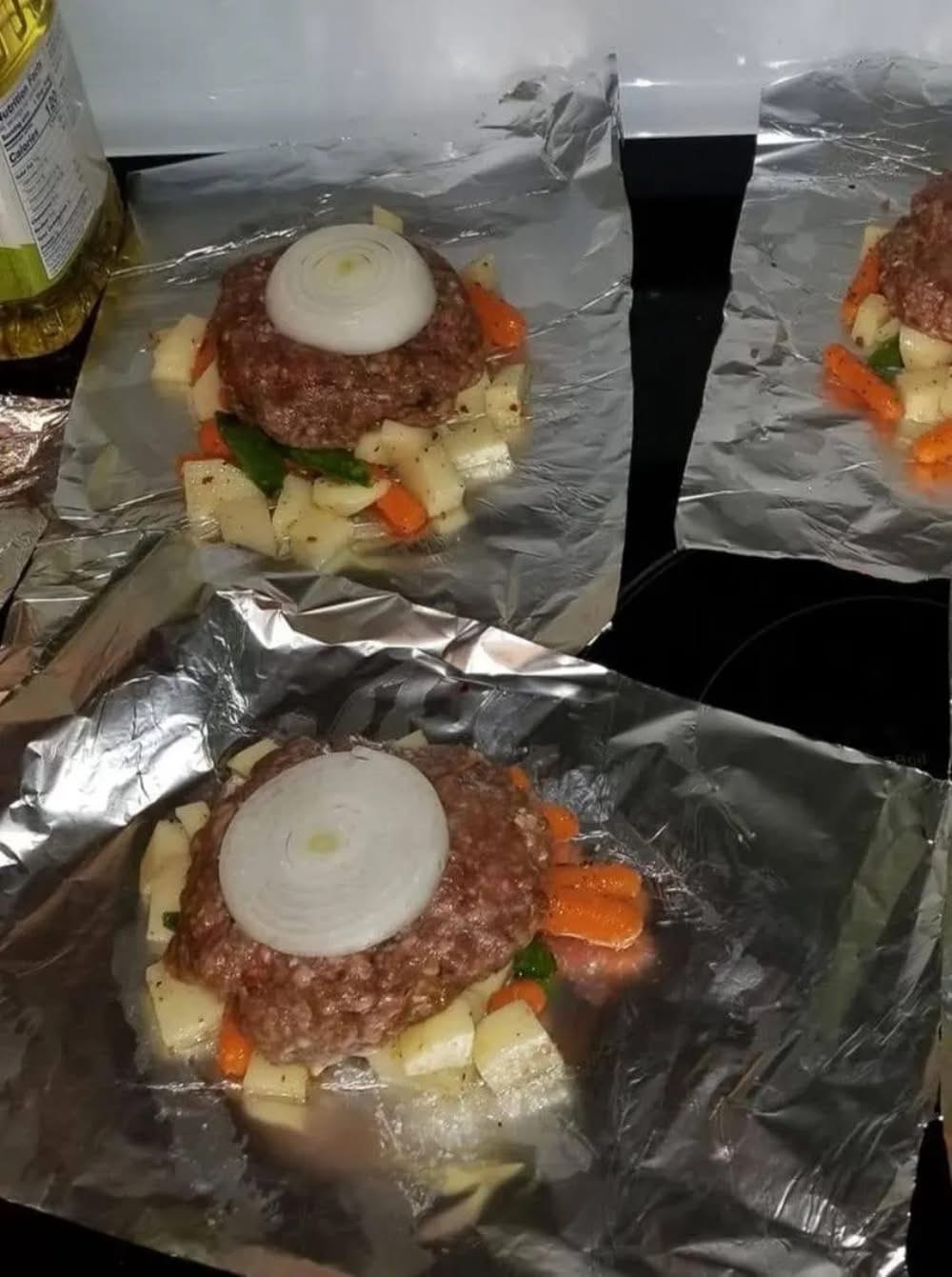
Hobo Foil Packet Dinners: A Classic Comfort Meal for Home and Campfire
Few meals capture the spirit of simplicity, comfort, and nostalgia quite like hobo foil packet dinners. Known by many names — hobo dinners, campfire foil meals, or tin-foil suppers — these hearty packets combine ground beef, potatoes, carrots, onions, and other vegetables wrapped tightly in foil and cooked until tender. They are wholesome, easy to prepare, customizable, and perfect whether you’re sitting around a campfire in the woods or cooking dinner in the comfort of your kitchen oven.
The charm of hobo foil dinners lies not just in their flavor but also in their tradition. They are meals that generations of families have enjoyed during camping trips, scout outings, and busy weeknights. Each packet is a complete, balanced meal with protein, starch, and vegetables all tucked into one neat bundle. And perhaps best of all, cleanup is minimal since everything cooks in its own foil wrapper.
In this article, we’ll take a deep dive into hobo foil packet dinners. You’ll find the classic recipe, expert tips, delicious variations, cooking methods, cultural history, nutritional insights, and serving ideas that will make this meal a favorite in your home.
Ingredients for Classic Hobo Foil Packet Dinners
At their core, foil packet meals rely on simple pantry staples and fresh vegetables. Here’s the classic version:
- 1 pound ground beef (can substitute with ground turkey or chicken)
- 4 medium potatoes, peeled and diced into cubes
- 3 large carrots, sliced
- 1 onion, sliced into rings
- 1 green bell pepper, diced (optional)
- 3 tablespoons olive oil or melted butter
- Salt and pepper to taste
- Garlic powder or onion powder (optional)
- Dried herbs like thyme, oregano, or parsley (optional for extra flavor)
Optional additions: corn kernels, peas, mushrooms, zucchini, or sweet potatoes for variation.
Step-by-Step Recipe
Step 1: Prepare the Foil
Tear off 4 large sheets of heavy-duty aluminum foil. Lightly grease each sheet with oil or butter to prevent sticking.
Step 2: Layer Vegetables
On each foil sheet, place an even portion of potatoes and carrots. Drizzle lightly with olive oil and sprinkle with salt, pepper, and optional seasonings.
Step 3: Add the Meat
Shape the ground beef into patties and place one patty on top of each vegetable pile. Season the meat with a little extra salt and pepper.
Step 4: Top with Onion
Place a thick onion slice on top of each meat patty. This adds both flavor and moisture during cooking.
Step 5: Wrap the Packets
Fold the foil over the food, sealing edges tightly to trap steam. Make sure the packet is well-sealed to avoid leaks.
Step 6: Cook
- Oven method: Bake packets on a sheet pan at 375°F (190°C) for 40–50 minutes, or until vegetables are tender and meat is fully cooked.
- Campfire method: Place packets on hot coals and cook for 20–30 minutes, flipping halfway through.
- Grill method: Cook packets on medium heat for 30–35 minutes.
Step 7: Serve
Open packets carefully to release steam. Serve directly from the foil or plate the contents, adding extra seasoning, ketchup, or sauces if desired.
Tips for Perfect Foil Packet Dinners
- Cut vegetables evenly: This ensures potatoes and carrots cook at the same rate.
- Use heavy-duty foil: Thin foil may tear; doubling layers prevents leaks.
- Add moisture: A drizzle of broth, a pat of butter, or a splash of Worcestershire sauce enhances juiciness.
- Don’t overstuff packets: Allow room for steam to circulate.
- Test for doneness: Carefully open one packet to check meat and veggies before serving all.
Variations to Try
The beauty of hobo foil dinners is how adaptable they are. Here are some delicious twists:
- Italian Style: Add Italian seasoning, zucchini, and marinara sauce. Top with shredded mozzarella before serving.
- Tex-Mex: Season beef with taco spices and add corn, black beans, and peppers. Serve with salsa or sour cream.
- BBQ Style: Mix barbecue sauce into the beef or drizzle over the cooked packet. Add corn on the cob rounds for a smoky touch.
- Vegetarian Option: Skip the meat and use chickpeas, lentils, or tofu with extra vegetables.
- Breakfast Packets: Use breakfast sausage patties, diced potatoes, and peppers. Crack an egg on top in the last few minutes of cooking.
- Seafood Twist: Replace beef with salmon or shrimp, seasoned with lemon and herbs.
Cultural and Historical Context
Hobo foil packet dinners are often associated with the Great Depression and the tradition of “hobo cooking.” During difficult times, people traveling by rail or living frugally would cook simple meals over campfires using whatever ingredients were available. Wrapping food in foil or leaves allowed for easy cooking without pots or pans.
Later, the concept became popular with scouting groups, campers, and families in the 20th century, especially as aluminum foil became widely available. Today, these meals remain a staple at campouts, backyard cookouts, and even in kitchens where convenience is key.
Nutritional Insights
A classic hobo dinner is a complete meal in itself:
- Protein: Ground beef provides protein and iron.
- Carbohydrates: Potatoes and carrots supply energy and fiber.
- Vitamins: Carrots add vitamin A, while bell peppers and onions provide vitamin C.
- Healthy fats: Olive oil or butter adds richness and helps with nutrient absorption.
For a lighter version, opt for lean ground meat, sweet potatoes, or low-sodium seasoning blends.
Serving Suggestions
While foil packet dinners are filling on their own, you can make the meal even more enjoyable with sides and garnishes:
- Fresh garden salad for balance.
- Cornbread, biscuits, or dinner rolls.
- Dipping sauces like ketchup, barbecue sauce, or ranch dressing.
- Fresh herbs sprinkled on top after cooking.
- Pickles or coleslaw for a tangy contrast.
Storage and Reheating
- Refrigeration: Store leftovers in airtight containers for up to 3 days.
- Freezing: Uncooked packets can be frozen for up to 1 month. Thaw before cooking.
- Reheating: Warm in the oven at 350°F (175°C) for 10–15 minutes, or microwave contents after transferring from foil.
Why This Dish Endures
Hobo foil packet dinners endure because they’re practical, affordable, and delicious. They represent creativity in the kitchen — the ability to take basic, inexpensive ingredients and turn them into something hearty and satisfying. The tradition connects us to a simpler way of cooking while still being adaptable for modern tastes.
It’s more than just food: it’s a shared experience of gathering around a campfire, unwrapping steaming foil packets, and enjoying a rustic meal together. Even at home, the anticipation of opening a foil packet to reveal tender meat and vegetables is part of the fun.
Final Thoughts
Hobo foil packet dinners are proof that sometimes the simplest meals are the most memorable. With meat, potatoes, vegetables, and seasoning all cooked together in foil, you get a balanced, flavorful dish that requires little effort and minimal cleanup.
Whether you’re making them for a camping trip, a busy weeknight, or just for fun with family, these packets deliver nostalgia, comfort, and taste in every bite. Try experimenting with different seasonings and ingredients, and you’ll soon discover why this humble meal has stood the test of time.
So grab some foil, gather your favorite ingredients, and create a tradition that’s as practical as it is delicious. Hobo dinners may be simple, but they’re also timeless — a reminder that great meals don’t need to be complicated.