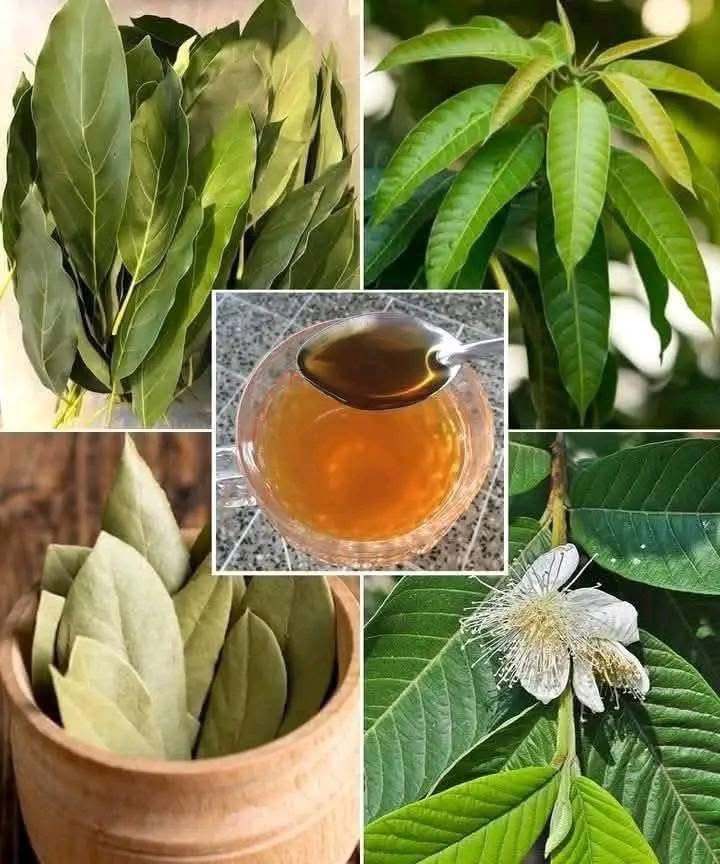
Of course. The claim of four specific leaves that can “combat” serious conditions like diabetes, cancer, and fatty liver disease “without pills” is a common theme in viral health articles and social media posts.
It’s crucial to approach this information with a scientific and critical mindset. While certain leaves contain powerful, health-promoting compounds, they are not magic bullets or substitutes for medical treatment. They are best viewed as potential supplements to a healthy lifestyle and professional medical care.
The “four leaves” most often cited in these types of articles are Moringa, Guava, Neem, and Soursop (Graviola). Let’s break down the science-backed benefits and the important realities of each.
The “Four Leaves” and Their Evidence-Based Benefits
- Moringa Oleifera (The “Miracle Tree”)
Moringa is incredibly nutrient-dense, packed with vitamins, minerals, and antioxidants.
· Claimed Benefits: Diabetes, high blood pressure, inflammation, cancer.
· What the Science Says:
· Diabetes: Some studies show Moringa leaf powder can help lower blood sugar and insulin resistance, likely due to its antioxidant and anti-inflammatory compounds like isothiocyanates.
· High Blood Pressure: It contains compounds that may act as natural ACE inhibitors, potentially helping to relax blood vessels.
· Cancer: Test-tube and animal studies have shown extracts can inhibit the growth of certain cancer cells. However, this is a long way from being a human cancer treatment.
· Fatty Liver: Its high antioxidant content may help protect the liver from oxidative stress.
· How to Use: Powder (added to smoothies, teas), capsules, or fresh leaves in cooking.
- Guava Leaf
Guava leaf is well-studied, particularly for its benefits for metabolic health.
· Claimed Benefits: Diabetes, high cholesterol, poor circulation, diarrhea.
· What the Science Says:
· Diabetes: Stronger evidence exists here. Guava leaf tea has been shown to improve insulin resistance and lower blood sugar levels after meals by inhibiting certain carbohydrate-digesting enzymes.
· Cholesterol & Blood Pressure: Animal studies indicate it may improve lipid profiles and have a mild anti-hypertensive effect.
· Poor Circulation: Its anti-inflammatory and antioxidant properties can support overall cardiovascular health.
· How to Use: Most commonly consumed as a tea.
- Neem Leaf
A staple in Ayurvedic medicine, Neem is known for its potent antimicrobial and anti-inflammatory properties.
· Claimed Benefits: Diabetes, liver health, skin conditions, dental health.
· What the Science Says:
· Diabetes: Neem leaf extract has demonstrated blood glucose-lowering effects in several studies, potentially by enhancing glucose uptake in the muscles.
· Fatty Liver & Detoxification: Its antioxidant properties are believed to have a protective effect on the liver, aiding in detoxification processes.
· Antibacterial/Antiviral: Often used in mouthwashes and topical creams for its antimicrobial effects.
· How to Use: Capsules, tea, or topical applications. It has a very bitter taste.
- Soursop (Graviola) Leaf
This is the most controversial of the group due to exaggerated cancer claims.
· Claimed Benefits: Cancer, infections, inflammation.
· What the Science Says:
· Cancer: This is critical to understand. Laboratory studies have shown that compounds in soursop (annonaceous acetogenins) can kill certain cancer cells in a petri dish. However, there is no reliable human evidence that drinking soursop tea or eating the fruit can treat cancer. Furthermore, there are concerns about potential neurotoxicity with long-term, high-dose consumption.
· Other Benefits: It has known antimicrobial and anti-inflammatory properties.
· How to Use: Almost exclusively as a tea. Caution is strongly advised.
The Crucial Reality Check: What You Must Know
- They Are Not Cures or Replacements for Medicine: These leaves contain beneficial compounds, but they are not proven cures for complex diseases like cancer or diabetes. Do not stop taking prescribed medication in favor of these remedies.
- The “Without Pills” Narrative is Dangerous: This phrase is often used to sell “natural” alternatives and can be dangerously misleading. Pharmaceutical pills are rigorously tested for safety, dosage, and efficacy. Herbal remedies are not.
- Supplement Quality Varies: The supplement industry is not tightly regulated. Products can vary in potency, purity, and may even be contaminated.
- Potential Side Effects and Interactions: These leaves are potent and can interact with medications. For example:
· Moringa and Guava can lower blood sugar, so combining them with diabetes medication could cause dangerous hypoglycemia.
· Neem may affect fertility and is not recommended for those trying to conceive.
· Soursop may interact with blood pressure medication and has potential neurological risks.
The True Path to Combating These Conditions
The real “magic bullet” isn’t a single leaf, but a consistent lifestyle pattern. These leaves can be a part of this pattern, but not the entirety of it.
· A Whole-Food, Plant-Predominant Diet: Focus on vegetables, fruits, whole grains, legumes, nuts, and seeds. This is far more powerful than any single supplement.
· Regular Physical Activity: Exercise is proven to improve insulin sensitivity, reduce blood pressure, and combat fatty liver.
· Maintaining a Healthy Weight: This is one of the most significant factors for preventing and managing all the conditions listed.
· Stress Management and Quality Sleep: Chronic stress and poor sleep disrupt hormones and contribute to inflammation.
Conclusion
While Moringa, Guava, Neem, and Soursop leaves have fascinating health properties and can be valuable additions to a healthy diet, they are complementary, not curative.
Before using any of these: Please consult with your doctor or a registered dietitian. They can help you understand potential benefits, risks, and interactions with your current health conditions and medications. Empower yourself with science, not sensationalist headlines.