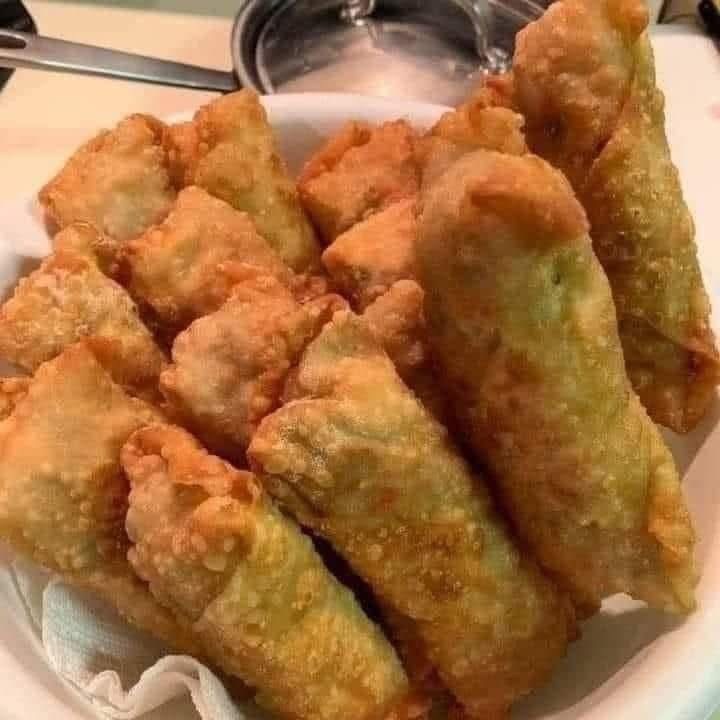
Crispy Fried Spring Rolls Recipe: The Ultimate Guide to Making Delicious Egg Rolls at Home for Parties, Snacks, and Family Meals
Spring rolls, also known as egg rolls in some parts of the world, are one of the most beloved fried snacks that have stood the test of time across cultures. The crisp, golden exterior that shatters with every bite, paired with a delicious filling bursting with flavor, makes this dish one of the best choices for family gatherings, celebrations, and even casual weeknight dinners. In this comprehensive article, you will learn everything you need to know about making the perfect spring rolls from scratch. We will cover ingredients, preparation tips, frying methods, serving suggestions, and variations from different cuisines. Whether you are looking for the best fried spring rolls recipe, craving crispy egg rolls for a party, or searching for easy homemade appetizers, this guide has you covered.
Spring rolls have long been a favorite in Asian cuisine, but their popularity has spread worldwide because they are versatile, customizable, and crowd-pleasing. From Chinese-style egg rolls filled with cabbage and pork, to Vietnamese fresh rolls wrapped in rice paper, to Filipino lumpia that combines vegetables and minced meat, the variations are endless. The version we are focusing on in this article is the deep-fried type, which is often filled with vegetables, meat, or a combination of both, then fried until golden brown. These are the spring rolls you often see in Chinese takeout menus, party buffets, and festive celebrations.
One of the biggest reasons why spring rolls are so popular is their crispy, crunchy texture. The outer wrapper, usually made of wheat flour, becomes incredibly crisp when fried properly. Inside, the filling remains moist and flavorful, offering a perfect contrast. It’s this balance that makes fried spring rolls not just food, but an experience. They also happen to be one of the easiest deep fried snacks to prepare at home once you know the right techniques.
To begin making delicious homemade spring rolls, the first step is choosing your wrappers. High-quality spring roll wrappers are available in most supermarkets or Asian grocery stores. If you prefer a lighter bite, rice paper wrappers can also be used, though they require careful handling. For the classic Chinese-American style egg roll, wheat flour-based wrappers are the best choice, as they produce that signature crunchy finish when deep-fried.
The filling of your fried spring rolls is where you can get creative. The most common combination includes shredded cabbage, carrots, bean sprouts, onions, and ground pork or chicken. However, you can experiment with shrimp, beef, mushrooms, or even a vegetarian mixture. For a healthy option, you can pack them with leafy greens, tofu, or glass noodles. The key is to balance texture and flavor, ensuring that your filling is not too wet, as excess moisture can make the wrappers soggy and difficult to fry.
Seasoning plays a crucial role in the flavor of your spring rolls. Common seasonings include soy sauce, oyster sauce, sesame oil, garlic, and ginger. These provide an aromatic depth that enhances the filling. For those who enjoy spicier food, chili paste, black pepper, or even curry powder can be incorporated for a unique twist. The beauty of spring rolls lies in their adaptability—no matter your flavor preference, there is always a way to make them your own.
Rolling spring rolls is a skill that becomes easier with practice. Place your wrapper on a flat surface, spoon the filling near one corner, and fold over tightly while tucking in the sides. The key is to roll them snug but not too tight, to prevent bursting during frying. To seal the edges, brush a little beaten egg or flour-water paste along the final fold. Once you’ve rolled a batch, you are ready to fry.
Frying spring rolls is both an art and a science. For the crispiest results, heat your oil to around 350°F (175°C). If the oil is too hot, the wrappers will brown too quickly while the inside remains uncooked. If the oil is too cool, the rolls will absorb too much oil and become greasy. Fry in small batches to maintain the oil temperature, turning the rolls occasionally until golden brown on all sides. Drain on paper towels to remove excess oil.
Serving fried spring rolls can be just as fun as making them. They are traditionally served with dipping sauces such as sweet and sour sauce, soy-vinegar dipping sauce, or spicy chili sauce. Peanut sauce or hoisin-based dips also pair wonderfully, especially if you’ve made a more Southeast Asian-inspired filling. For parties, you can arrange them beautifully on a platter with fresh herbs and sliced vegetables for garnish.
Now let’s explore the global variations of fried spring rolls. In China, egg rolls are often larger, filled with pork and cabbage, and served with hot mustard. In Vietnam, fried rolls are called cha gio, usually smaller and filled with ground pork, mushrooms, and vermicelli noodles. In the Philippines, lumpia is a popular snack or party appetizer, typically thinner, with fillings that can range from simple vegetables to more elaborate combinations of shrimp and meat. In Thailand, spring rolls often feature glass noodles, and they are enjoyed with sweet chili dipping sauce. Each culture has put its own stamp on this versatile dish, which is why learning how to make them opens up a whole world of flavors.
The nutritional content of spring rolls varies depending on the filling and method of preparation. While deep-frying makes them a treat best enjoyed in moderation, baking or air frying can significantly reduce the fat content while still providing a satisfying crunch. For those on a health-conscious journey, air fryer egg rolls are an excellent choice. Simply brush the rolls lightly with oil and air fry at 375°F until golden. This method retains the crunch without the heaviness of deep frying.
Spring rolls are not just a meal; they are a social food. Making them at home with family or friends can be a bonding experience. You can set up a rolling station where everyone prepares their own rolls with fillings of their choice. This makes them a fantastic activity for parties, cooking classes, or family nights. Plus, homemade spring rolls always taste fresher and more flavorful than store-bought frozen ones.
Beyond being a delicious appetizer, fried spring rolls are also a practical dish. They can be made ahead of time and frozen, then fried straight from the freezer when needed. This makes them perfect for unexpected guests or quick snacks. Simply prepare a large batch, freeze them on a tray until solid, and then store in a ziplock bag. When ready to cook, drop them into hot oil without thawing, adjusting frying time slightly longer.
For those looking to monetize their food blog or cooking website, recipes like crispy fried spring rolls are high in search demand and attract audiences looking for easy party food ideas, homemade appetizer recipes, and snack recipes. Using high CPC keywords such as “best fried spring rolls recipe,” “crispy egg rolls,” “deep fried snacks for parties,” “easy appetizer ideas,” and “air fryer spring rolls” can help attract more organic traffic and boost Google AdSense revenue. The universal love for this dish ensures that readers from different regions will engage with the content, whether they are beginners in cooking or experienced home chefs.
Another aspect that makes spring rolls appealing is their flexibility in dietary adaptations. For vegetarians, a combination of mushrooms, cabbage, carrots, and glass noodles makes for a flavorful filling. Vegans can easily skip the egg sealant and use flour paste instead. Gluten-free eaters can use rice paper wrappers. For those following low-carb diets, experimenting with alternative wrappers like cabbage leaves can also create interesting variations. The possibilities are endless, making this recipe inclusive and adaptable to modern dietary trends.
In restaurants, fried spring rolls are often considered a starter or side dish, but at home, they can also be the main star of the table. When served with a hearty noodle soup, fried rice, or stir-fried vegetables, they transform into a complete meal. Paired with a refreshing drink like iced tea or lemonade, they become a delightful lunch or dinner option. For parties, they work perfectly as finger food, easy for guests to grab and dip while mingling.
Making fried spring rolls at home also offers cost savings compared to restaurant versions. A batch of homemade egg rolls can feed a family at a fraction of the price you would pay for takeout. Plus, you can control the quality of ingredients, opting for fresh vegetables, lean meats, or organic products, depending on your preference. This ensures that your rolls are not just delicious but also healthier than many restaurant or frozen options.
To summarize the essential tips for success: use fresh ingredients, keep your filling dry, roll tightly but not overly stuffed, seal well, and maintain consistent frying oil temperature. These steps guarantee a crisp, golden, and delicious outcome every single time. Once you’ve mastered the basics, you can experiment endlessly with flavors, fillings, and dipping sauces.
Spring rolls are a timeless dish that continues to bring joy to people around the world. From their crispy shell to their customizable fillings, they represent comfort, tradition, and creativity in one bite. Whether you are preparing them for a family dinner, a festive gathering, or simply a snack to enjoy with your favorite movie, they never fail to satisfy. With this ultimate guide, you now have all the knowledge you need to create the best fried spring rolls at home. Not only will your taste buds thank you, but your guests and family will also be impressed by your culinary skills.
By combining tradition with creativity, fried spring rolls remain one of the most iconic appetizers in the world. Try making them today, and you will discover why they continue to be a favorite across generations and cultures.