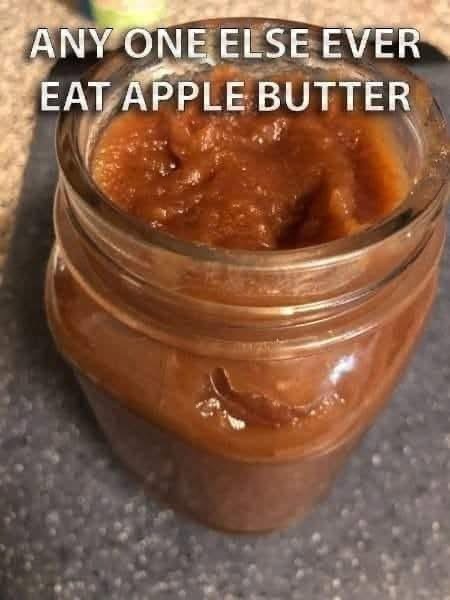
Homemade Apple Butter: A Timeless Spread for Comfort and Flavor
High CPC Keywords: homemade apple butter recipe, slow cooker apple butter instructions, how to make apple butter without sugar, best apple butter canning method, apple butter vs applesauce difference, easy apple butter for toast and biscuits, instant pot apple butter recipe, traditional apple butter history, apple butter with cinnamon and nutmeg, healthy apple butter without preservatives, apple butter for breakfast ideas, apple butter for pork dishes, how to store homemade apple butter, creamy apple butter spread recipe, apple butter holiday gift ideas
Introduction
Apple butter is one of those timeless recipes that perfectly bridges the line between comfort and tradition. Despite its name, apple butter contains no dairy butter at all. The term refers to the smooth, spreadable, buttery consistency achieved by slow-cooking apples with sugar and warm spices until they transform into a thick, caramelized delight. Unlike applesauce, which is lighter and often chunky, apple butter is concentrated, rich, and deeply flavored. It is a spread that evokes autumn, harvest festivals, and cozy mornings with toast and biscuits. Its history spans centuries, from medieval European monasteries to the kitchens of American settlers, making it a food rooted in culture and tradition. In this article, we will dive deep into the origins of apple butter, provide detailed recipes for making it at home, explore its variations, nutritional benefits, preservation methods, serving suggestions, and cultural significance. Whether you are discovering it for the first time or carrying on a family tradition, apple butter is a recipe worth mastering.
The History of Apple Butter
Apple butter dates back to medieval Europe, particularly in monasteries in Belgium, Germany, and the Netherlands, where apples were abundant and preserving food was a necessity. Monks slow-cooked apples in copper kettles over open fires, stirring for hours until the mixture thickened into a rich, spreadable paste. This method preserved the harvest and provided a sweet condiment that could be stored for long periods. Immigrants brought apple butter to America, and it became a staple in colonial kitchens. In Pennsylvania Dutch communities, apple butter was prepared in large batches during autumn festivals, often cooked outdoors in iron kettles while families and neighbors gathered to stir and socialize. This communal process made apple butter not only a food item but also a cultural tradition.
Why Apple Butter Is Unique
Apple butter is often confused with applesauce, but the difference lies in the cooking process and the result. Applesauce is cooked briefly and remains light in both texture and flavor. Apple butter, on the other hand, is cooked for hours, allowing the natural sugars to caramelize and the flavors to deepen. This gives apple butter its signature dark color, smooth consistency, and spiced aroma. The use of cinnamon, cloves, nutmeg, and sometimes allspice or vanilla makes it taste like autumn in a jar.
Nutritional Benefits of Apple Butter
While apple butter does contain sugar, it also provides nutritional benefits from its primary ingredient: apples. Apples are rich in dietary fiber, vitamin C, and antioxidants. Using less sugar or natural sweeteners such as honey or maple syrup can make apple butter a healthier option. Because it is concentrated, apple butter offers intense flavor in small servings, making it a satisfying spread without the need for large quantities.
Classic Homemade Apple Butter Recipe
Ingredients:
- 6 pounds of apples (a mix of sweet and tart varieties like Fuji, Gala, and Granny Smith)
- 2 cups granulated sugar (adjust based on sweetness preference)
- 1 cup brown sugar
- 1 tablespoon cinnamon
- ½ teaspoon cloves
- ½ teaspoon nutmeg
- ½ teaspoon allspice
- 1 tablespoon vanilla extract
- 1 cup apple cider or apple juice
Instructions:
- Peel, core, and slice the apples.
- Place apples in a slow cooker with apple cider. Cook on low for 10–12 hours until apples are soft.
- Use an immersion blender to puree the mixture until smooth.
- Stir in sugars and spices. Continue cooking on low for another 6–8 hours, stirring occasionally, until thickened.
- Add vanilla extract at the end of cooking.
- Spoon apple butter into sterilized jars and refrigerate or process in a water bath for longer storage.
Why This Recipe Works
Slow cooking allows the apples to break down gently and release their natural sweetness. Brown sugar enhances the caramel flavor, while spices create warmth and depth. Vanilla balances the flavors, and apple cider provides both moisture and tartness.
Alternative Methods for Making Apple Butter
- Stovetop Apple Butter: Simmer apples in a large pot, stirring often to prevent burning, for 2–3 hours.
- Instant Pot Apple Butter: Pressure cook apples for 20 minutes, puree, then use sauté mode to reduce the mixture until thick.
- Oven-Baked Apple Butter: Bake apple puree in a covered Dutch oven at low heat (250°F) for several hours, stirring occasionally.
Variations of Apple Butter
- Sugar-Free Apple Butter: Use naturally sweet apples and add a touch of honey or maple syrup if needed.
- Spiced Apple Butter: Add cardamom, ginger, or even a splash of bourbon for complexity.
- Pumpkin Apple Butter: Combine apples and pumpkin puree for a seasonal twist.
- Pear-Apple Butter: Use half pears and half apples for a lighter flavor.
- Cranberry Apple Butter: Add cranberries for a tart, festive version.
How to Store and Preserve Apple Butter
Apple butter can be refrigerated for up to three weeks or frozen for six months. For long-term storage, canning is the best method. Sterilized jars filled with hot apple butter can be processed in a boiling water bath for 10 minutes, ensuring a seal that allows storage for up to a year. Labeling jars with dates ensures freshness and organization.
Serving Ideas for Apple Butter
Apple butter is incredibly versatile. It can be spread on toast, biscuits, pancakes, or waffles. It makes a great topping for oatmeal, yogurt, or ice cream. Apple butter can also be used as a filling for cakes, pastries, or cookies. In savory dishes, it pairs wonderfully with roasted pork, chicken, or turkey. It can even be stirred into barbecue sauce for a sweet and tangy twist.
Cultural Significance of Apple Butter
In many rural communities, apple butter festivals are still held today, particularly in the United States. These festivals celebrate the harvest season and keep the tradition of communal apple butter making alive. Families gather around large kettles, stirring with wooden paddles, sharing stories, and tasting the simmering spread. This tradition reinforces the idea that apple butter is more than food—it is a symbol of heritage, family, and seasonal abundance.
Apple Butter vs Applesauce
Applesauce is lighter, chunkier, and often served as a side dish, especially with pork or as baby food. Apple butter is darker, richer, and used as a spread or flavor enhancer. The extended cooking process and use of spices distinguish apple butter from its simpler cousin.
Apple Butter as a Gift
Homemade apple butter makes an excellent gift during the holiday season. Packed in small mason jars with a ribbon and label, it becomes a thoughtful, homemade present. Its warm flavors make it perfect for Thanksgiving or Christmas gifting.
Healthier Alternatives
To make a lighter apple butter, reduce sugar by half or use unsweetened applesauce as a base. Spices provide plenty of flavor, allowing you to cut down on sweeteners. Choosing organic apples and natural sweeteners enhances both nutrition and taste.
Conclusion
Apple butter is a spread that has stood the test of time, combining simplicity, tradition, and unmatched flavor. Its slow-cooked process transforms humble apples into a rich, spiced condiment that can be enjoyed in countless ways. Whether spread on warm biscuits, paired with savory meats, or preserved for holiday gifts, apple butter represents comfort and heritage. Its versatility, cultural roots, and satisfying flavor make it a recipe worth revisiting year after year. Mastering apple butter at home connects you with generations of cooks who stirred kettles for hours, crafting a food that warms both the stomach and the heart.