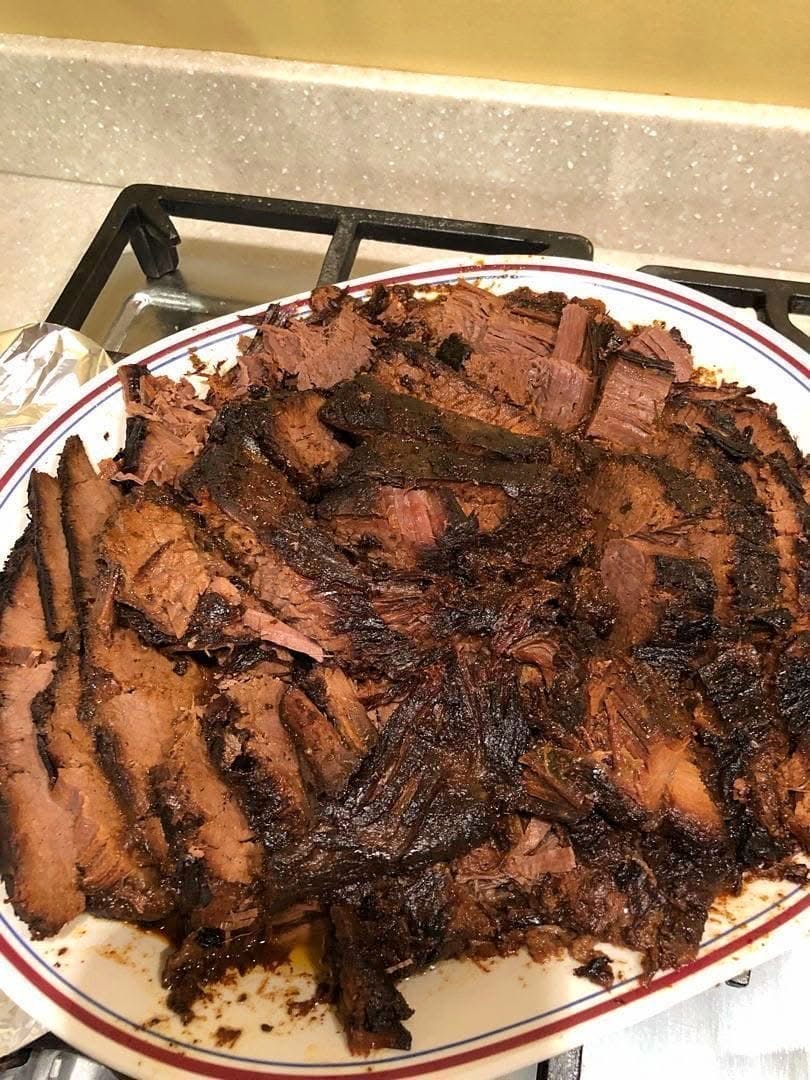
Slow-Cooked Beef Brisket: A Flavorful Classic That Defines Comfort Food
High CPC Keywords: slow cooked beef brisket recipe, best smoked beef brisket techniques, how to make tender beef brisket at home, Texas style barbecue beef brisket, oven baked beef brisket with dry rub, holiday braised beef brisket recipe, beef brisket with barbecue sauce, low and slow brisket cooking method, beef brisket sandwich ideas, beef brisket for Passover dinner, crockpot beef brisket with onions, easy beef brisket marinade, beef brisket meal prep ideas, best wine pairing with beef brisket, beef brisket nutrition and protein benefits
Introduction
Few dishes embody comfort, tradition, and culinary patience quite like slow-cooked beef brisket. Known for its rich flavor and melt-in-your-mouth texture, brisket has become a staple in kitchens worldwide. From the smoky barbecue pits of Texas to the braised family dinners served during Jewish holidays, beef brisket carries both cultural heritage and universal appeal. This cut of beef comes from the breast section of the cow, an area full of connective tissue that requires long, slow cooking to transform into tender perfection. When prepared properly, brisket develops a deep, savory flavor with just the right balance of juiciness and smokiness, making it one of the most celebrated meats in global cuisine. In this article, we’ll dive into the history of beef brisket, explore why it has such a devoted following, provide a complete recipe guide, examine different variations, share expert cooking tips, and discuss serving ideas, nutritional insights, and the cultural significance of this timeless dish.
The Origins of Beef Brisket
Beef brisket has roots in multiple food traditions. In Jewish cuisine, braised brisket became a holiday staple, especially during Passover, when slow-braised meat was served alongside potatoes, carrots, and onions. In the American South, particularly in Texas, brisket developed into a symbol of barbecue culture. Immigrants from Eastern Europe introduced brisket cuts to Texas but local cooks adapted them to smoking techniques, creating the famous Texas barbecue brisket enjoyed today. Over time, brisket gained popularity across the United States and beyond, becoming a household favorite for both special occasions and everyday meals.
Why Brisket Is So Popular
Brisket’s popularity stems from its transformation during cooking. While raw brisket is a tough, fibrous cut, low and slow cooking breaks down collagen into gelatin, resulting in meat that is fork-tender and incredibly flavorful. Its versatility also adds to its appeal—brisket can be smoked, braised, roasted, or cooked in a crockpot, and it pairs well with a wide range of flavors, from smoky barbecue sauce to tangy tomato-based braises. Additionally, brisket has a reputation for feeding a crowd, making it perfect for family dinners, holiday feasts, and backyard barbecues.
Nutritional Benefits of Brisket
Beef brisket is rich in protein, iron, zinc, and B vitamins, making it a nutrient-dense food. While it contains a moderate amount of fat, much of it renders out during slow cooking. Choosing leaner cuts, such as the flat cut, can make brisket a healthier option without losing its robust flavor. Paired with vegetables or whole grains, brisket can be part of a balanced diet.
Classic Slow-Cooked Beef Brisket Recipe
Ingredients:
- 1 whole beef brisket (5–7 pounds), trimmed
- 2 tablespoons kosher salt
- 2 tablespoons black pepper
- 1 tablespoon paprika
- 1 tablespoon garlic powder
- 1 tablespoon onion powder
- 2 tablespoons olive oil
- 2 cups beef broth
- 2 large onions, sliced
- 4 garlic cloves, smashed
- 2 cups barbecue sauce or tomato-based braising sauce
Instructions:
- Season brisket generously with salt, pepper, paprika, garlic powder, and onion powder. Rub seasoning into the meat.
- Heat olive oil in a large skillet and sear brisket on all sides until browned.
- Place onions and garlic in the bottom of a slow cooker or roasting pan. Set brisket on top.
- Pour beef broth and sauce over the brisket.
- Cover and cook on low for 8–10 hours, or in an oven at 300°F (150°C) for 4–5 hours, until brisket is tender.
- Remove brisket, let rest 15 minutes, and slice against the grain before serving.
Why This Recipe Works
The searing step adds depth of flavor by caramelizing the surface of the brisket. Cooking low and slow ensures collagen breakdown for tenderness. Resting the brisket allows juices to redistribute, preventing dryness. The onions and broth enrich the sauce, creating a flavorful base for the meat.
Popular Variations of Beef Brisket
- Texas Smoked Brisket: Slow-smoked over oak or mesquite wood, seasoned with only salt and pepper.
- Jewish Braised Brisket: Cooked in a tomato-onion sauce, often with carrots and potatoes, served during holidays.
- Beer-Braised Brisket: Uses dark beer in the braising liquid for rich, malty flavor.
- Asian-Inspired Brisket: Braised with soy sauce, ginger, garlic, and star anise for umami-rich flavor.
- Slow Cooker Brisket with BBQ Sauce: Easy weeknight version with minimal prep.
- Holiday Brisket: Cooked with dried fruits and wine for sweet and savory notes.
Tips for Cooking the Perfect Brisket
- Choose the right cut: The flat cut is leaner and slices well, while the point cut is fattier and juicier.
- Cook low and slow: Patience is key for tender brisket.
- Rest before slicing: Always rest brisket for 15–20 minutes.
- Slice against the grain: This shortens fibers and makes brisket more tender.
- Use a meat thermometer: Brisket is best when it reaches an internal temperature of 195–205°F (90–96°C).
Serving Suggestions
Beef brisket pairs beautifully with mashed potatoes, roasted vegetables, coleslaw, cornbread, or mac and cheese. It also makes delicious sandwiches, tacos, or nachos when repurposed as leftovers. For Jewish holidays, it is traditionally served with kugel or matzo. For barbecue meals, it pairs best with baked beans, pickles, and potato salad.
Wine and Beverage Pairings
- Red Wine: Cabernet Sauvignon or Malbec enhances brisket’s richness.
- Beer: A dark stout or lager complements smoky barbecue brisket.
- Non-alcoholic: Iced tea, lemonade, or sparkling water balance the flavors.
Cultural Significance of Brisket
Brisket holds deep cultural meaning in both Jewish and Texan traditions. For Jewish families, it is tied to religious celebrations and family gatherings, symbolizing heritage and tradition. In Texas, brisket embodies barbecue culture, representing craftsmanship, community, and pride. Its adaptability across cultures highlights its universal appeal.
Storage and Reheating
Brisket stores well in the refrigerator for 3–4 days or in the freezer for up to 3 months. To reheat, warm slices in a covered dish with a splash of broth to maintain moisture. Avoid microwaving, as it can dry out the meat.
Healthier Alternatives
For a lighter brisket, trim excess fat before cooking, use leaner flat cuts, and opt for tomato-based braising sauces instead of heavy barbecue sauces. Pairing brisket with vegetables rather than heavy sides can also create a more balanced meal.
Conclusion
Slow-cooked beef brisket is more than just a dish—it is a culinary experience that rewards patience with unmatched flavor and tenderness. Whether prepared as smoky Texas barbecue, holiday braised brisket, or a simple crockpot meal, brisket carries tradition, warmth, and satisfaction. Its ability to adapt to different flavors, cooking methods, and occasions makes it one of the most versatile cuts of beef. From feeding families during holidays to impressing guests at a barbecue, brisket remains a symbol of comfort food at its finest. By mastering the art of slow-cooked brisket, you unlock a dish that brings joy to every table it graces.