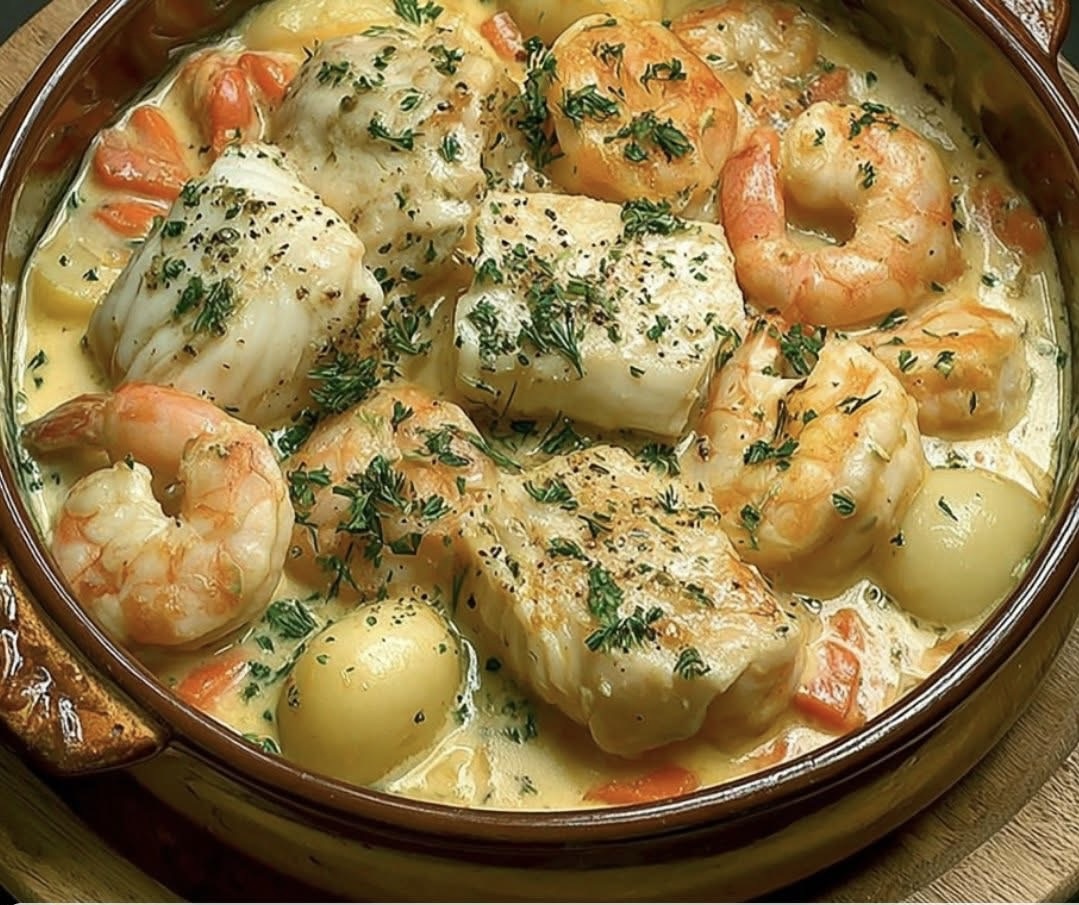
Creamy Seafood Stew with Shrimp and White Fish: A Hearty and Flavorful Comfort Dish
High CPC Keywords: creamy seafood stew recipe, shrimp and fish stew, best seafood dinner ideas, creamy garlic seafood casserole, healthy seafood stew with potatoes, easy shrimp and cod recipe, French style seafood chowder, Mediterranean fish stew recipe, hearty seafood casserole, shrimp and cod creamy dish, slow cooker seafood stew, gourmet seafood dinner ideas, creamy shrimp and fish recipes, homemade seafood chowder with potatoes, budget friendly seafood recipes
Introduction
Seafood has long been celebrated as one of the most elegant and versatile categories of food. From light grilled fillets to luxurious chowders, the flavors of the ocean bring a unique balance of nutrition, freshness, and indulgence to the table. Among seafood dishes, few stand out as much as creamy seafood stew with shrimp and white fish. This dish is rich yet balanced, hearty yet refined, making it perfect for everything from casual family dinners to festive gatherings. Combining tender shrimp, flaky white fish such as cod or haddock, and hearty vegetables like potatoes and carrots in a velvety herb-infused broth, this stew represents the ultimate comfort food. In this guide, we will explore the history of seafood stews, their cultural significance, nutritional benefits, step-by-step recipes, variations, pairing suggestions, and expert tips to help you create the perfect creamy seafood stew at home.
The History of Seafood Stews
Seafood stews have deep roots in many cultures across the globe. In Mediterranean countries, fishermen often made rustic stews with their daily catch, simmering fish and shellfish with tomatoes, garlic, and olive oil. French cuisine brought us bouillabaisse from Provence and marmite dieppoise from Normandy, both showcasing regional seafood varieties. Scandinavian countries are famous for creamy fish soups made with potatoes and cream, while New England clam chowder represents the American tradition of creamy seafood dishes. The creamy seafood stew with shrimp and white fish draws inspiration from many of these traditions, blending the creaminess of chowder with the rustic elegance of Mediterranean and French fish stews.
Why Creamy Seafood Stew Is So Popular
This dish is beloved for its comforting yet gourmet qualities. The creamy broth provides warmth and richness, while shrimp and white fish deliver delicate yet satisfying flavors. The inclusion of vegetables such as potatoes and carrots makes the stew hearty enough to stand as a complete meal. Additionally, this stew is adaptable to different occasions—it can be presented as a rustic one-pot family dinner or elevated into a fine dining dish served with crusty bread and wine. Its versatility, flavor, and nutritional value make it a universal favorite.
Nutritional Benefits of Shrimp and White Fish Stew
Seafood is among the healthiest proteins available, and this stew provides a nutrient-packed meal. Shrimp is low in calories yet rich in protein, iodine, and omega-3 fatty acids, which support heart and brain health. White fish such as cod or haddock is lean and provides high-quality protein, vitamins B6 and B12, and selenium. Potatoes contribute fiber and potassium, while carrots provide vitamin A and antioxidants. The creamy base, often made with milk or cream, adds calcium and richness. By adjusting the cream level or using alternatives like coconut milk, the stew can be tailored for different dietary preferences while retaining its comforting texture.
Classic Creamy Seafood Stew Recipe
Ingredients:
- 1 pound shrimp, peeled and deveined
- 1 pound white fish (cod, haddock, or halibut), cut into chunks
- 2 tablespoons olive oil
- 1 onion, chopped
- 2 carrots, sliced
- 1 pound baby potatoes, halved
- 4 garlic cloves, minced
- 1 cup white wine (optional)
- 4 cups seafood or chicken stock
- 1 cup heavy cream
- 2 tablespoons butter
- 1 teaspoon dried thyme
- 1 teaspoon paprika
- Salt and pepper to taste
- Fresh parsley for garnish
Instructions:
- Heat olive oil in a large pot over medium heat. Add onion, carrots, and garlic, and sauté until softened.
- Add potatoes and seasonings. Pour in white wine and cook for 2–3 minutes to deglaze.
- Add stock and simmer until potatoes are tender, about 15 minutes.
- Stir in cream and butter. Add shrimp and fish, cooking until shrimp are pink and fish is opaque, about 5–7 minutes.
- Adjust seasoning and garnish with parsley before serving.
Why This Recipe Works
This recipe combines simple ingredients with careful cooking to create a luxurious stew. Adding seafood at the end ensures it remains tender and not overcooked. The combination of cream, butter, and stock creates a velvety base that enhances rather than overwhelms the natural seafood flavors.
Popular Variations of Creamy Seafood Stew
- Mediterranean Version: Add tomatoes, olives, and fresh basil.
- Spicy Cajun Style: Use Cajun seasoning and add bell peppers for a Southern twist.
- Coconut Seafood Stew: Substitute coconut milk for cream for a dairy-free option with tropical flair.
- Italian Inspired: Add white beans, spinach, and parmesan cheese.
- Scandinavian Style: Use dill, leeks, and a lighter cream base.
- Mixed Seafood Stew: Incorporate mussels, scallops, or clams along with shrimp and fish.
Why Families Love This Dish
Families love creamy seafood stew because it is hearty, flavorful, and feels special without being overly complicated. It makes use of affordable ingredients like potatoes and carrots while incorporating seafood for a gourmet touch. Children often enjoy the creamy broth and tender potatoes, while adults appreciate the complex flavors. It is also easy to prepare in larger batches, making it perfect for gatherings.
Tips for Perfecting Seafood Stew
- Always add seafood at the end of cooking to prevent overcooking.
- Use fresh herbs for garnish to add brightness.
- Balance creaminess with acidity—add a splash of lemon juice or white wine for freshness.
- Choose sustainable seafood options for better flavor and environmental impact.
- Pair with crusty bread to soak up the creamy broth.
Cultural Significance of Seafood Stews
Seafood stews are more than just meals; they reflect traditions, regions, and ways of life. Fishermen’s stews across Europe were originally made from humble catches, creating dishes that were both practical and delicious. In the Americas, chowders became symbols of coastal communities, particularly in New England. By preparing a creamy seafood stew today, home cooks continue a tradition that spans centuries and cultures, uniting people over hearty bowls of nourishment.
Pairing Suggestions
Creamy seafood stew pairs beautifully with crusty bread, garlic toast, or biscuits. A crisp green salad with vinaigrette provides contrast, while roasted vegetables add depth. For drinks, a glass of white wine such as Chardonnay or Sauvignon Blanc complements the seafood, while sparkling water with lemon works well for a lighter option. For dessert, fruit tarts or lemon sorbet provide a refreshing finish.
Storage and Reheating
Leftover seafood stew can be stored in the refrigerator for up to 2 days. Reheat gently on the stovetop over low heat to avoid overcooking the seafood. This dish does not freeze well, as cream and seafood may separate when thawed. To enjoy it at its best, consume fresh.
Healthier Alternatives
For a lighter version, use milk instead of cream or substitute with coconut milk. Opt for lean fish and limit butter, while increasing vegetables such as spinach or kale. Whole grain bread as a side adds fiber and nutrients, making the meal more balanced.
Conclusion
Creamy seafood stew with shrimp and white fish is a dish that embodies warmth, comfort, and sophistication. With its delicate balance of seafood, vegetables, and herbs in a velvety broth, it delivers everything people crave in a hearty meal. Whether made for a cozy family dinner, a festive occasion, or a romantic date night, this stew is versatile, delicious, and deeply satisfying. Its adaptability to different cuisines and ingredients ensures that it never grows old, while its timeless essence keeps it firmly rooted as a comfort food classic. By experimenting with flavors, textures, and variations, you can make this dish uniquely your own while honoring its rich culinary heritage.