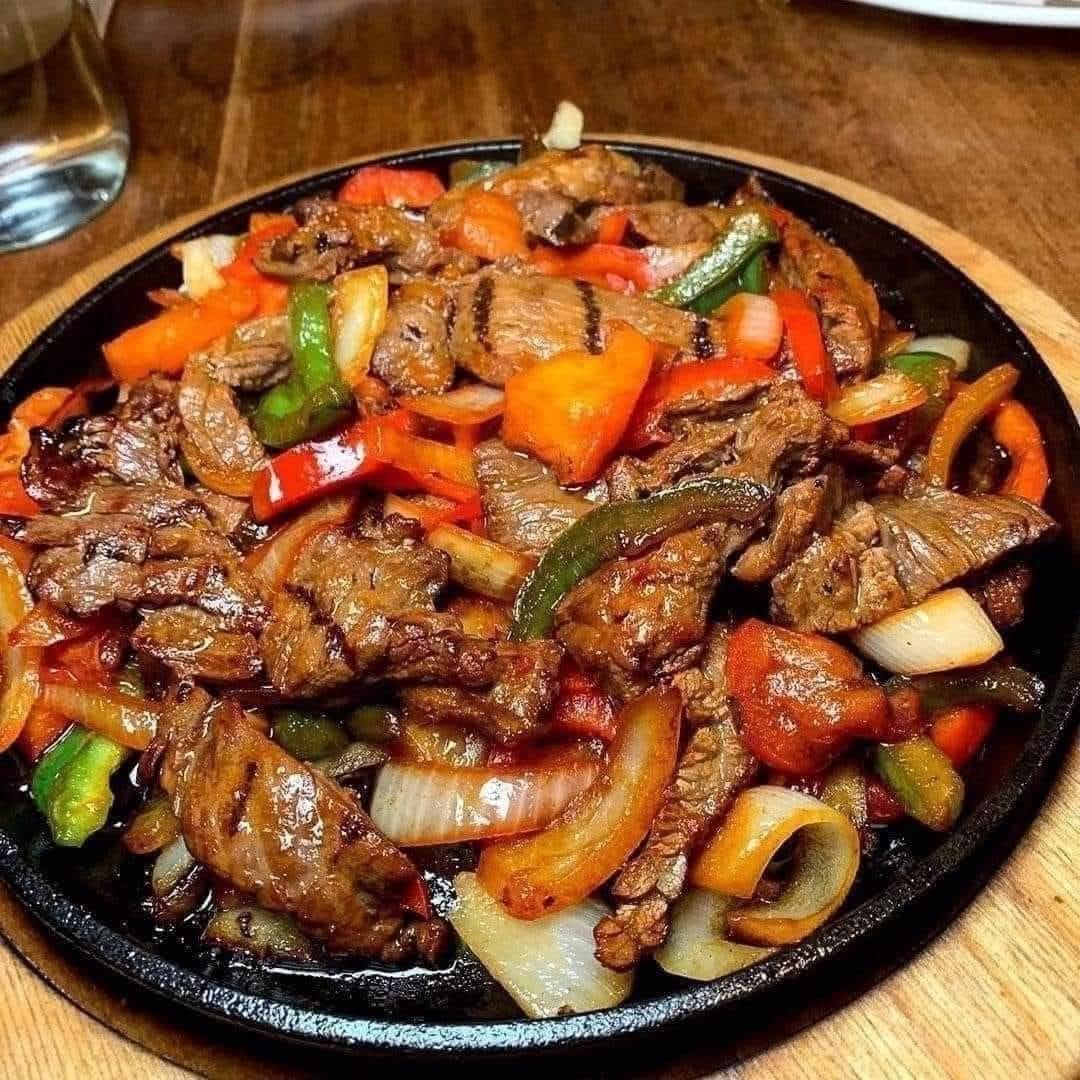
Beef Fajitas: A Flavorful Tex-Mex Classic That Brings Sizzle to the Table
High CPC Keywords: beef fajitas recipe, sizzling beef fajitas, Tex Mex beef fajita marinade, easy skillet beef fajitas, homemade fajita seasoning, grilled beef fajitas with peppers, authentic Mexican fajitas, quick beef fajitas dinner, beef and bell pepper fajitas, healthy beef fajita bowl, low carb beef fajitas recipe, family dinner fajitas, cast iron skillet beef fajitas, steak fajitas marinade, restaurant style beef fajitas
Introduction
Few dishes capture the spirit of Tex-Mex cuisine better than beef fajitas. Served sizzling hot with strips of marinated steak, colorful bell peppers, and onions, beef fajitas are both a feast for the eyes and a treat for the taste buds. Traditionally brought to the table on a hot cast-iron skillet, fajitas have become a favorite at restaurants and home kitchens alike because they are flavorful, customizable, and interactive. With every bite wrapped in a warm tortilla and topped with salsa, guacamole, or sour cream, beef fajitas offer a complete meal that balances savory, tangy, and spicy flavors. In this guide, we’ll dive deep into the origins of beef fajitas, the cultural history of Tex-Mex cuisine, nutritional benefits, recipes, marinades, variations, and tips for preparing restaurant-quality fajitas at home.
The Origins of Fajitas
The word fajita comes from the Spanish word “faja,” meaning strip or belt, referring to the strips of beef skirt steak traditionally used. Fajitas originated in Texas, where Mexican ranch workers were given less desirable cuts of beef such as skirt steak as part of their wages. They developed flavorful marinades to tenderize the meat and grilled it over open flames, serving it with tortillas, onions, and peppers. Over time, this rustic ranch dish gained popularity in restaurants during the 1960s and 1970s, spreading across the United States as part of the Tex-Mex wave. Today, fajitas can be made with beef, chicken, shrimp, or even vegetarian ingredients, but beef remains the classic choice.
Why Beef Fajitas Are So Popular
Beef fajitas are loved for several reasons. First, they offer bold flavors thanks to the marinade of lime juice, garlic, cumin, and chili spices that penetrate the meat. Second, the combination of sizzling beef, caramelized onions, and sweet peppers creates a sensory experience that excites both taste and smell. Third, they are customizable, allowing diners to add their own toppings and assemble fajitas to their liking. Finally, they represent communal dining—served on large platters or skillets, fajitas encourage sharing and interaction at the table.
Nutritional Value of Beef Fajitas
Despite being indulgent, beef fajitas can be part of a balanced meal. Beef provides high-quality protein, iron, zinc, and vitamin B12, which support energy and muscle health. Bell peppers are rich in vitamin C, antioxidants, and fiber. Onions offer anti-inflammatory compounds and prebiotic benefits. Using whole wheat tortillas and fresh toppings like avocado or salsa increases fiber and nutrients. To keep them lighter, lean cuts of beef such as flank steak or sirloin can be used instead of fattier cuts.
Classic Beef Fajitas Recipe
Ingredients:
- 1½ pounds flank or skirt steak
- 2 red bell peppers, sliced
- 1 green bell pepper, sliced
- 1 yellow onion, sliced
- 2 tablespoons olive oil
- 1 teaspoon chili powder
- 1 teaspoon cumin
- 1 teaspoon paprika
- 2 cloves garlic, minced
- Juice of 2 limes
- Salt and pepper to taste
- Warm tortillas for serving
Instructions:
- In a bowl, whisk together olive oil, lime juice, garlic, and spices. Marinate the steak in this mixture for at least 1 hour, preferably overnight.
- Heat a cast-iron skillet or grill pan over high heat. Cook steak for 4–5 minutes per side for medium-rare, or longer for desired doneness. Let rest before slicing.
- In the same skillet, sauté peppers and onions until slightly charred and tender.
- Slice steak against the grain into thin strips.
- Return beef to the skillet with vegetables and toss together.
- Serve sizzling hot with warm tortillas and toppings like salsa, sour cream, guacamole, and shredded cheese.
Marinades That Make Fajitas Exceptional
The secret to delicious beef fajitas lies in the marinade. A good fajita marinade should combine acidity, oil, and spices to tenderize the beef and infuse flavor. Lime or lemon juice provides acidity, olive oil helps distribute flavors, and spices such as chili powder, cumin, smoked paprika, and oregano bring depth. Soy sauce or Worcestershire sauce can be added for umami richness, while a touch of honey balances the acidity with sweetness. Marinating for at least 1 hour is essential, but overnight marination gives the best results.
Variations of Beef Fajitas
- Spicy Beef Fajitas: Add jalapeños, chipotle peppers, or hot sauce for extra heat.
- Steakhouse Style: Use ribeye or sirloin steak for a more luxurious version.
- Low-Carb Fajitas: Skip the tortillas and serve beef and vegetables over cauliflower rice or lettuce wraps.
- Tex-Mex Fusion: Add black beans, corn, or queso fresco for a Tex-Mex flair.
- International Twists: Incorporate soy sauce and ginger for an Asian-inspired flavor profile.
- Breakfast Fajitas: Combine beef strips with scrambled eggs and breakfast potatoes inside tortillas.
Why Beef Fajitas Work for Every Occasion
Beef fajitas are versatile enough for both casual weeknight dinners and festive gatherings. They are quick to prepare, often taking less than 30 minutes from skillet to table. Their customizable nature makes them perfect for family-style dining, where each person can build their own fajita with preferred toppings. For parties, fajita bars are popular—laying out tortillas, meats, vegetables, and toppings allows guests to assemble their own plates, making it interactive and fun.
Tips for Cooking the Best Beef Fajitas
- Always cut steak against the grain for tenderness.
- Use a cast-iron skillet for authentic char and flavor.
- Don’t overcrowd the pan—cook vegetables in batches if necessary.
- Warm tortillas before serving to prevent cracking.
- Serve immediately while sizzling hot for maximum impact.
Cultural Significance of Beef Fajitas
Beef fajitas represent the heart of Tex-Mex cuisine, a blend of Mexican flavors and American cooking traditions. Tex-Mex developed in Texas during the 19th century, blending Mexican ingredients such as chilies, beans, and tortillas with American beef, cheese, and grilling techniques. Fajitas embody this fusion perfectly, combining Mexican spices and tortillas with American-style steak grilling. They have since become a cultural icon, appearing in restaurants worldwide as a symbol of Tex-Mex cuisine.
Pairing Beef Fajitas with Sides and Drinks
Fajitas are often served with classic sides like Mexican rice, refried beans, or corn on the cob. Fresh salads, pico de gallo, and grilled vegetables complement their bold flavors. For drinks, margaritas, Mexican beer, or sparkling water with lime are perfect pairings. For dessert, churros or flan make excellent finishing touches to a fajita meal.
Storing and Reheating Leftovers
Beef fajitas are best served fresh, but leftovers can be stored in the refrigerator for up to 3 days. Keep beef, vegetables, and tortillas separate to avoid sogginess. To reheat, warm beef and vegetables in a skillet over medium heat until hot, then serve with fresh tortillas. Leftover beef can also be used in salads, quesadillas, or sandwiches.
Healthier Alternatives
To make beef fajitas lighter, use lean cuts of beef, reduce oil in the marinade, and serve with whole wheat tortillas. Swap sour cream for Greek yogurt, and use fresh salsa and guacamole instead of processed toppings. Adding extra vegetables like zucchini, mushrooms, or spinach boosts nutrition while keeping the dish filling and balanced.
Conclusion
Beef fajitas are more than just a meal—they are an experience that combines sizzling presentation, bold flavors, and cultural history. With tender marinated beef, sweet peppers, caramelized onions, and warm tortillas, they offer the perfect blend of Tex-Mex tradition and modern dining appeal. Whether cooked on a grill, in a skillet, or served at a festive gathering, beef fajitas never fail to impress. Their versatility, ease of preparation, and irresistible flavor make them a dish worth mastering and enjoying often. By experimenting with marinades, toppings, and variations, you can keep this Tex-Mex classic exciting while preserving its heartwarming essence.