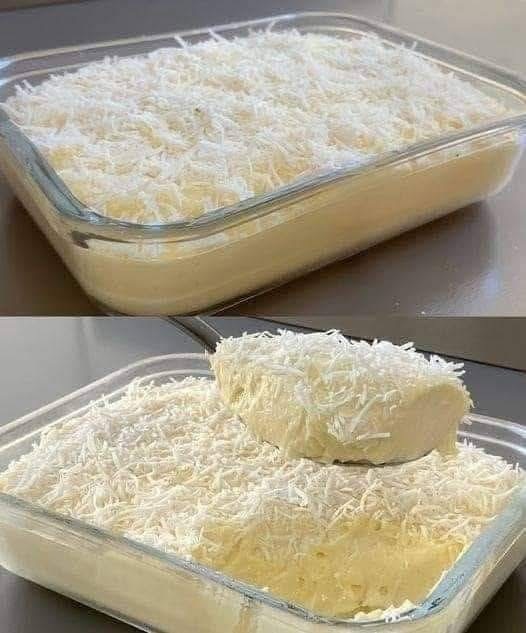
Coconut Cream Dessert: A Creamy Tropical Delight for Every Occasion
High CPC Keywords: coconut cream dessert recipe, creamy coconut pudding, easy no bake coconut dessert, coconut cream cake ideas, best tropical dessert recipes, coconut milk dessert with cream, fluffy coconut dessert, coconut cream dessert for parties, easy holiday coconut dessert, coconut layered pudding recipe, creamy coconut treat, no bake coconut cream squares, Brazilian coconut cream dessert, coconut dessert with condensed milk, tropical dessert recipes with coconut
Introduction
Coconut cream dessert is one of the most beloved tropical-inspired sweets, celebrated for its light, creamy texture and irresistible coconut flavor. Known in Brazil as cocada cremosa and enjoyed in variations around the world, this dessert is both elegant and simple, making it a versatile option for family gatherings, parties, and festive occasions. Unlike heavy cakes or complicated pastries, coconut cream dessert relies on just a handful of ingredients—often coconut, milk, sugar, and cream—to create something that feels luxurious and indulgent. The addition of shredded coconut on top adds not only flavor but also a snowy, fluffy appearance that makes the dish look as good as it tastes. In this guide, we’ll explore the history of coconut-based desserts, the cultural importance of cocada, detailed recipes, variations, and everything you need to know to prepare this tropical masterpiece at home.
The History of Coconut in Desserts
Coconut has been used in desserts for centuries, especially in tropical regions where it grows abundantly. Countries in Southeast Asia, South America, the Caribbean, and Africa have long histories of incorporating coconut into sweets. Coconut milk, shredded coconut, and coconut cream are versatile ingredients that add richness, aroma, and texture to dishes. In Brazil, cocada is a famous coconut-based treat, often prepared in different styles, from chewy and dense to creamy and smooth. The creamy version, cocada cremosa, is essentially what the coconut cream dessert represents: a pudding-like delicacy with layers of coconut flavor. Over time, this dessert spread globally, adapted with regional variations such as coconut custards in Asia, coconut rice puddings in the Caribbean, and coconut cream pies in the United States.
Nutritional Value of Coconut Cream Dessert
Coconut is more than just a flavorful ingredient—it is also nutritious. Coconut contains dietary fiber, vitamins C and E, and minerals such as potassium, magnesium, and iron. Coconut milk and cream are rich in healthy fats, particularly medium-chain triglycerides (MCTs), which are more easily digested and used for energy compared to other fats. When combined with ingredients like condensed milk and cream, coconut cream dessert becomes indulgent, but lighter versions can be created using low-fat milk, natural sweeteners, or plant-based cream alternatives.
Classic Coconut Cream Dessert Recipe
Ingredients:
- 1 can sweetened condensed milk
- 1 can coconut milk
- 1 cup heavy cream
- 2 tablespoons cornstarch (optional, for thickening)
- 1 cup shredded coconut (unsweetened or sweetened, depending on preference)
- ½ cup sugar (adjust to taste)
- 1 teaspoon vanilla extract
- Extra shredded coconut for topping
Instructions:
- In a saucepan, combine condensed milk, coconut milk, and heavy cream. Stir gently over medium heat.
- Add sugar and vanilla extract, continuing to stir until smooth.
- If you want a thicker texture, dissolve cornstarch in a little water and add to the mixture. Cook until it thickens to pudding-like consistency.
- Stir in shredded coconut and cook for another 2–3 minutes.
- Pour the mixture into a serving dish and let cool to room temperature.
- Refrigerate for at least 2 hours until firm.
- Sprinkle with extra shredded coconut before serving.
Why Coconut Cream Dessert Is Loved Worldwide
This dessert has gained popularity around the world because of its tropical flavor and simple preparation. It doesn’t require complicated baking techniques, making it accessible to beginners and professionals alike. Its presentation—light cream topped with fluffy coconut shreds—makes it appealing for festive occasions such as Christmas, Easter, or summer barbecues. Its creamy, melt-in-the-mouth texture appeals to all ages, making it a family-friendly dessert.
Variations of Coconut Cream Dessert
- Chocolate Coconut Cream Dessert: Add melted dark chocolate to the mixture for a rich twist.
- Fruit-Infused Version: Layer with pineapple, mango, or passionfruit for a tropical fruit dessert.
- Coconut Cream Cake: Use this recipe as a filling between sponge cake layers.
- Vegan Coconut Cream Dessert: Use plant-based condensed milk and coconut cream for a dairy-free option.
- Almond or Pistachio Coconut Dessert: Add chopped nuts to the mixture for crunch and nutty flavor.
- Baked Coconut Cream Squares: Chill the mixture until firm, then cut into neat squares for finger food.
Tips for Making the Perfect Dessert
- Always use high-quality coconut milk and cream for the best flavor.
- Adjust sugar based on the sweetness of your coconut and condensed milk.
- Chill the dessert long enough to set for a firmer texture.
- Toast shredded coconut lightly before sprinkling for a deeper flavor.
- Serve in individual glass cups for elegant presentation.
Cultural Importance of Coconut Desserts
Coconut-based sweets hold special places in many cultures. In Brazil, cocada is a symbol of traditional street food and homemade desserts. In the Philippines, maja blanca is a coconut pudding made with cornstarch and coconut milk. In India, coconut barfi is a common festive treat. Caribbean cultures embrace coconut in rum cakes and puddings. Coconut cream dessert is a global favorite because it unites these traditions into one versatile, crowd-pleasing dish.
Pairing Coconut Cream Dessert with Meals
This dessert is often served at the end of hearty meals to provide a light, refreshing finish. It pairs especially well with grilled meats, tropical fruit salads, or seafood-based meals. A chilled glass of sparkling water, coconut water, or even a fruity cocktail like piña colada complements it beautifully. For holidays, it makes a perfect pairing with roasted meats or festive buffets.
Storing and Leftovers
Coconut cream dessert stores well in the refrigerator for up to four days. Keep it covered to prevent it from absorbing other odors. It can also be frozen, but the texture may change slightly after thawing, becoming less creamy. For the best results, prepare in smaller batches and enjoy fresh.
Healthier Alternatives
To lighten the dessert, replace condensed milk with evaporated milk and natural sweeteners like honey or maple syrup. Use light coconut milk instead of full-fat versions and add chia seeds for extra fiber and nutrients. Blending fresh fruits like banana or pineapple into the mixture reduces the need for additional sugar while enhancing flavor.
Conclusion
Coconut cream dessert is a tropical masterpiece that combines simplicity with elegance. Whether known as cocada cremosa in Brazil, coconut pudding in the Caribbean, or a no-bake coconut dessert in other parts of the world, it captures the richness of coconut in its most indulgent form. With its creamy texture, snowy topping of shredded coconut, and endless variations, this dessert is suitable for everyday indulgence as well as festive celebrations. Easy to make, visually stunning, and irresistibly delicious, coconut cream dessert deserves a place in every recipe collection. By experimenting with flavors, toppings, and presentations, you can create your own version of this global favorite while keeping the spirit of coconut-based sweets alive.